
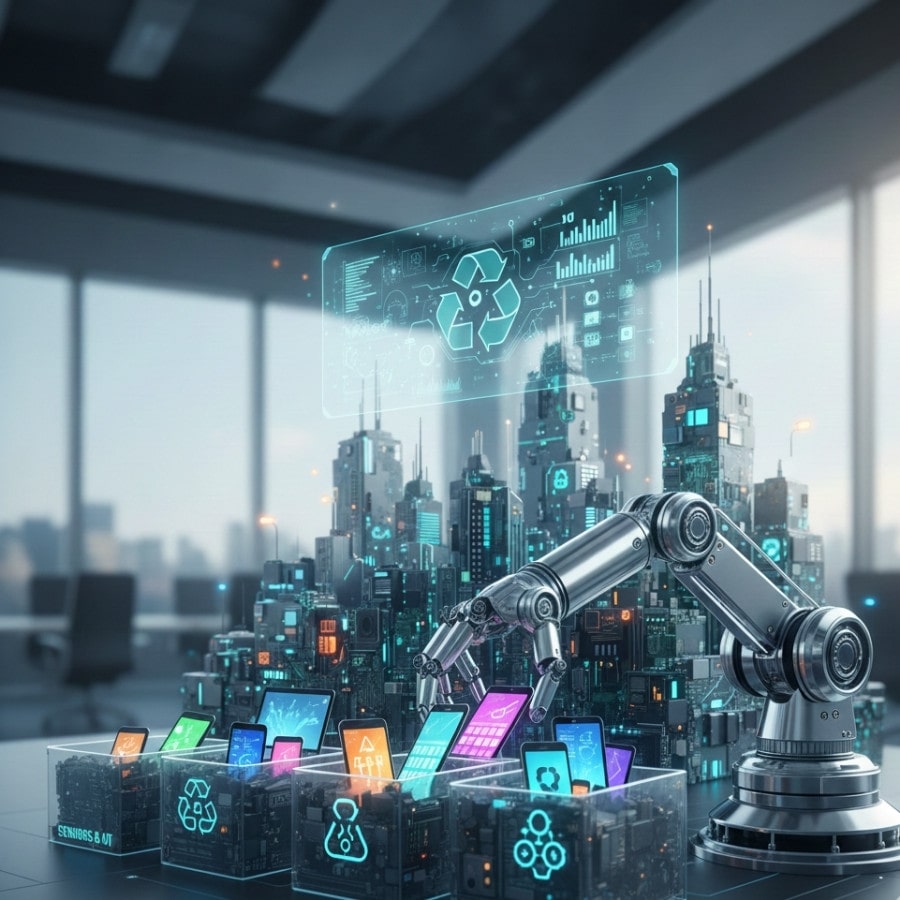
In todays digital era, the rapid pace of technological advancement has led to a surge in electronic waste (e - waste), posing significant environmental and health challenges. As the demand for new gadgets and devices continues to grow, managing this ever-increasing e-waste has become a pressing issue. Fortunately, next-generation technologies are poised to revolutionize e-waste management, offering innovative solutions that not only streamline recycling processes but also enhance sustainability efforts. This article delves into the challenges of e - waste, explores cutting-edge technology solutions, and highlights success stories that showcase the positive impact of modern e-waste management. By understanding the benefits and processes involved in implementing these advanced solutions, businesses and individuals can take crucial steps towards a greener future, transforming e-waste into valuable resources. Explore the challenges and solutions of e-waste management, highlighting next-gen technologies, benefits, innovative processes, and success stories for efficient recycling.
The Role of Next-Generation Technologies in E-Waste Management
As technology continues to advance at a rapid pace, the volume of electronic waste, or e-waste, is escalating significantly. This growth presents a multitude of challenges that must be addressed to ensure responsible disposal and recycling. One of the primary issues is the environmental impact posed by toxic substances often found in electronic devices, such as lead, mercury, and cadmium. These harmful elements can leach into the soil and water supply, posing threats to human health and biodiversity.
Another critical challenge is the economic aspect of e-waste management. With the increasing replacement cycles of devices, businesses and consumers alike are left grappling with the costs associated with disposing of obsolete technology properly. Additionally, the lack of awareness regarding safe disposal methods and the importance of recycling exacerbates the situation, leading to improper disposal practices that harm the environment.
Compounding these difficulties is the need for effective collection systems that can manage the growing volume of e-waste. Traditional disposal methods are often inefficient and fail to harness the value embedded in materials that can be recovered and reused. These challenges underscore the importance of innovation, highlighting the role of next-generation technologies in e-waste management.
By leveraging cutting-edge technologies and innovative strategies, it is possible to address these challenges holistically. Modern approaches not only improve efficiency in collection and recycling but also promote a circular economy model, minimizing waste and maximizing resource recovery. Ultimately, enhancing our e-waste management practices is pivotal in mitigating the adverse effects on both the environment and public health.
Advanced Technologies Revolutionizing E-Waste Management
The advent of advanced technologies has brought forth significant innovations in the way we manage electronic waste. The Role of Next-Generation Technologies in E-Waste Management is pivotal in addressing the pressing issues surrounding e-waste, as outdated disposal methods have proven to be inefficient and environmentally damaging. Utilizing technologies such as artificial intelligence, machine learning, and automation, the e-waste management landscape is evolving to enhance accuracy, efficiency, and sustainability.
Next-generation technologies enable smart sorting and categorization of e-waste, which minimizes human error and increases the retrieval rates of valuable materials. For instance, AI-driven systems can analyze various electronic components and identify reusable parts, thus significantly extending the lifecycle of numerous devices and reducing the environmental impact associated with e-waste disposal.
Moreover, advancements in recycling technologies have streamlined processes that were once labor-intensive and resource-heavy. Automated systems now enable the dismantling and separation of electronic components at a much faster rate, which not only saves time but also lessens energy consumption, making the entire process more sustainable.
The integration of these advanced solutions fosters an eco-friendly approach to e-waste management. By employing cutting-edge technologies, businesses and municipalities can significantly improve compliance with regulations, enhance recovery of precious metals, and contribute to a circular economy, leading to a more sustainable future.
Key Benefits Of Implementing Modern E-Waste Technologies
Implementing modern technologies in e-waste management brings a multitude of benefits that can transform the way we handle electronic waste. By leveraging these advancements, businesses and organizations can contribute to a more sustainable future while enhancing operational efficiency. Here are some of the key benefits:
-
Enhanced Efficiency:
Next-generation technologies streamline the processes involved in e-waste collection and recycling, significantly reducing the time and resources required to manage electronic waste. Automated sorting systems and artificial intelligence can categorize materials more effectively than manual operations. -
Improved Environmental Impact:
By utilizing cutting-edge recycling techniques, the environmental footprint of e-waste disposal is minimized. These modern methods ensure that harmful substances are treated or contained properly, thus reducing pollution and promoting environmental sustainability. -
Increased Recovery Rates:
Advanced technologies can extract a higher percentage of recoverable materials from e-waste. This not only contributes to resource conservation but also supports the circular economy by reintroducing valuable materials back into the supply chain. -
Compliance and Regulations:
Adopting modern e-waste management technologies aids in meeting local and international regulatory standards. Staying compliant helps businesses avoid penalties and improves their reputation as responsible corporate citizens. -
Data Security:
With the rise of electronic devices containing sensitive information, modern technologies provide secure methods for data destruction. Ensuring that data is irretrievable protects both consumers and businesses from potential data breaches. -
Cost Savings:
Although the initial investment in next-generation technologies may be higher, the long-term savings from improved efficiency, increased recovery rates, and reduced waste management costs can lead to significant financial benefits.
By embracing the role of next-generation technologies in e-waste management, organizations can not only enhance their operational performance but also take significant steps toward global sustainability efforts.
Efficient e-waste collection and recycling are essential components of sustainable electronic waste management. With the exponential increase in electronic devices, innovative processes are being developed to optimize these operations. Next-generation technologies play a pivotal role in enhancing the efficiency of these processes, facilitating quicker and more effective collection methods.
One of the groundbreaking advancements is the use of IoT (Internet of Things) systems that enable real-time monitoring of e-waste containers. This technology helps in planning collection schedules more effectively, ensuring that e-waste does not overflow and become a health hazard. The Role of Next-Generation Technologies in E-Waste Management ensures that organizations can effectively track e-waste accumulation and minimize the environmental impact associated with neglect.
Moreover, AI and machine learning algorithms are being employed to streamline sorting and processing when e-waste reaches recycling facilities. These technologies can efficiently identify and separate different components of e-waste, enhancing the recovery of valuable materials while reducing contamination and increasing overall recycling rates.
Additionally, public awareness campaigns, facilitated through digital platforms, encourage responsible e-waste disposal. By educating consumers about the importance of recycling electronics, these initiatives also promote the use of next-generation techniques in collection and processing, ensuring a more sustainable approach to e-waste management.
Case Studies and Implementation Steps for Advanced E-Waste Solutions
In the rapidly evolving landscape of e-waste management, several organizations have successfully harnessed The Role of Next-Generation Technologies in E-Waste Management to create impactful transformations. For instance, Company A implemented cutting-edge AI-driven sorting systems that dramatically improved the efficiency of their recycling facilities. This innovation allowed them to increase the rate of material recovery and reduce contamination, showcasing a significant leap in e-waste processing.
Another success story involves Company B, which utilized blockchain technology to enhance transparency in their e-waste disposal chain. By enabling consumers to track their discarded electronics through secure transactions, they fostered trust and accountability within the recycling process. This integration not only encouraged responsible disposal but also elevated the company’s reputation as a leader in sustainable practices.
Moreover, in a collaborative initiative, multiple stakeholders came together to develop a mobile app that connects consumers with local e-waste collection points. This app leverages next-generation technologies to improve awareness and accessibility, resulting in a significant uptick in proper e-waste disposal rates across urban areas.
These case studies exemplify how leveraging modern technologies can lead to transformative results in e-waste management. By embracing innovation, these organizations have set new industry standards and demonstrated the tremendous potential of advanced solutions in addressing the pressing challenges of electronic waste.
A Systematic Approach to Implementing Advanced E-Waste Solutions
To effectively implement advanced e-waste solutions, organizations must take a systematic approach that aligns with The Role of Next-Generation Technologies in E-Waste Management. The first step is conducting a comprehensive assessment of current waste management practices to identify gaps and opportunities for improvement. This ensures that the organization understands its specific e-waste challenges and requirements.
Next, organizations should invest in training and educating employees about e-waste management and the importance of utilizing modern technologies. This can lead to a culture of sustainability within the company and enhance employee engagement in responsible disposal and recycling practices.
Following this, it is essential to collaborate with technology providers that specialize in state-of-the-art e-waste solutions. This partnership will enable organizations to leverage innovative tools and platforms tailored for efficient e-waste collection, processing, and recycling.
Organizations must continuously monitor the effectiveness of implemented solutions and remain adaptive to further advancements in technology. By regularly reviewing their e-waste management strategies, businesses can optimize their processes, ensuring compliance with environmental regulations and fostering sustainable practices.