
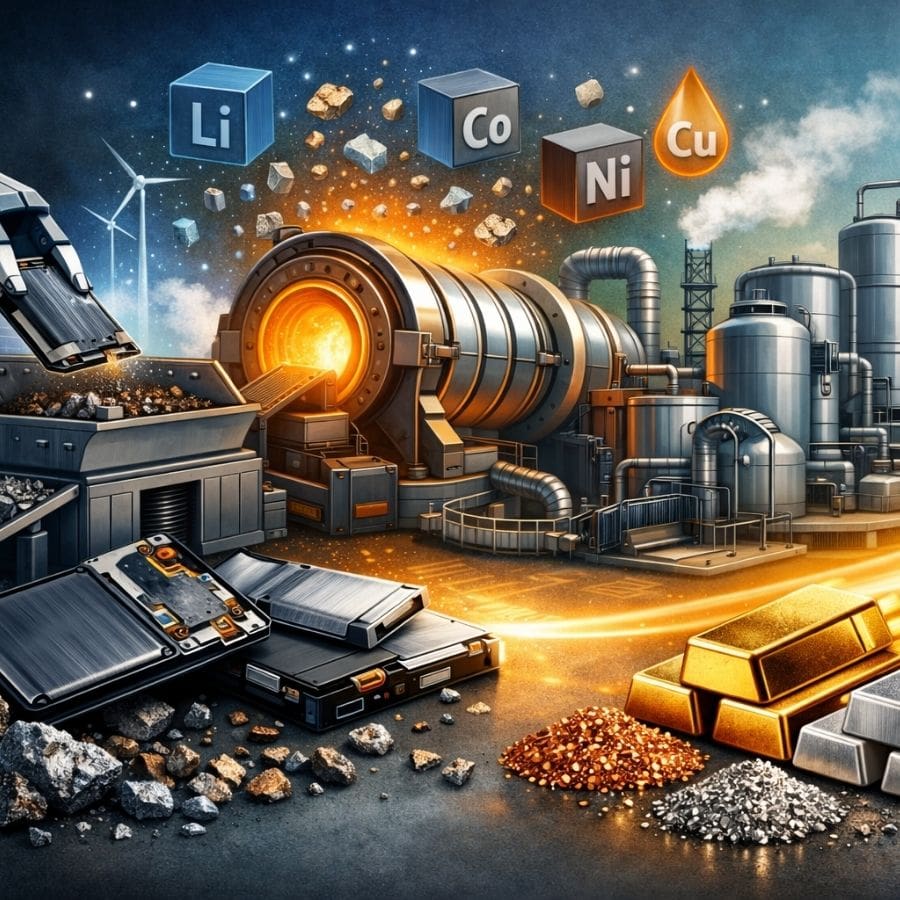
As the world shifts towards a more sustainable future, the recovery of valuable metals from lithium-ion batteries has emerged as a crucial endeavor. With the rapid proliferation of electric vehicles and portable electronic devices, the demand for efficient metal recovery processes is more pressing than ever. This article explores the significance of recycling precious metals found in lithium-ion batteries, highlighting the environmental challenges posed by battery waste and the innovative techniques available for efficient recovery. We will also compare various recovery packages currently on the market and showcase success stories from industry leaders who are setting the standard in metal recovery initiatives. Whether you are an organization looking to adopt sustainable practices or an individual interested in launching your own recovery project, this guide will provide you with valuable insights and actionable steps. Let's delve into the vital role of metal recovery in creating a greener future.Explore the significance, techniques, and success stories of valuable metal recovery from lithium-ion batteries, and learn how to initiate your own project.
Recovery of Valuable Metals from Lithium-Ion Batteries
The Recovery of Valuable Metals from Lithium-Ion Batteries is not just a technical necessity; it embodies a critical shift towards sustainable practices in our increasingly digital world. As the demand for renewable energy sources and electric vehicles escalates, so does the production of lithium-ion batteries. These batteries contain precious metals, such as lithium, cobalt, and nickel, which are essential components of current and future technologies. However, their disposal poses significant environmental challenges.
First and foremost, recovering valuable metals from lithium-ion batteries mitigates the adverse environmental effects associated with mining and landfill disposal. Mining for metals like lithium has detrimental impacts on ecosystems, and once disposed of, batteries can leak hazardous substances, contaminating soil and water. By implementing efficient recovery processes, we can reduce our dependency on virgin materials and prevent further environmental degradation.
Furthermore, the Recovery of Valuable Metals from Lithium-Ion Batteries plays a substantial role in the circular economy. By recycling these metals, we not only conserve resources but also support job creation and economic development within recycling industries. This circular model encourages a mindset where waste is minimized, and materials are continually reused, laying the groundwork for a more sustainable future.
In the context of technological innovation, the recovered metals can be reintegrated into the manufacturing process, helping to lower production costs for consumer electronics and other applications. This not only enhances resource efficiency but also contributes to the overall sustainability goals of businesses involved in tech manufacturing.
The importance of recovering valuable metals from lithium-ion batteries transcends environmental concerns; it represents a crucial advancement in ensuring that our future energy demands are met without compromising the health of our planet. As businesses and individuals become more aware of these issues, the potential for collaborative efforts towards effective recycling solutions will continue to grow.
From Waste to Resource: Promoting a Circular Economy through Lithium-Ion Battery Metal Recovery
The improper disposal of lithium-ion batteries poses significant environmental risks, as they contain hazardous materials and valuable metals that can lead to soil and water contamination. As the demand for these batteries increases with the rise of electric vehicles and portable electronics, so does the amount of waste generated. Effective recovery of valuable metals from lithium-ion batteries can mitigate these environmental hazards by reducing landfill waste and minimizing the need for mining new metals, which is often environmentally destructive.
The process of metal recovery not only addresses the disposal problem but also aids in the conservation of natural resources. By extracting metals like lithium, cobalt, and nickel from spent batteries, we can decrease the exploitation of these elements in their raw form. This not only preserves the environment but also supports sustainable practices in the electronics industry.
Furthermore, the scientific advancements in recovery technologies not only enhance efficiency but also reduce the carbon footprint associated with battery production and disposal. Emphasizing the recovery of valuable metals from lithium-ion batteries can lead to a circular economy where materials are reused, contributing to eco-friendly practices and reducing overall environmental impact.
Embracing metal recovery from lithium-ion batteries is essential for environmental protection and sustainability. It creates a responsible approach to battery lifecycle management, ensuring that valuable resources are efficiently reclaimed while minimizing ecological damage.
Innovative Techniques For Efficient Recovery Of Valuable Metals
As the demand for lithium-ion batteries continues to rise, so does the necessity for efficient strategies in the recovery of valuable metals from lithium-ion batteries. Recent advancements in technology have paved the way for innovative techniques that enhance the extraction process, making it more sustainable and economically viable.
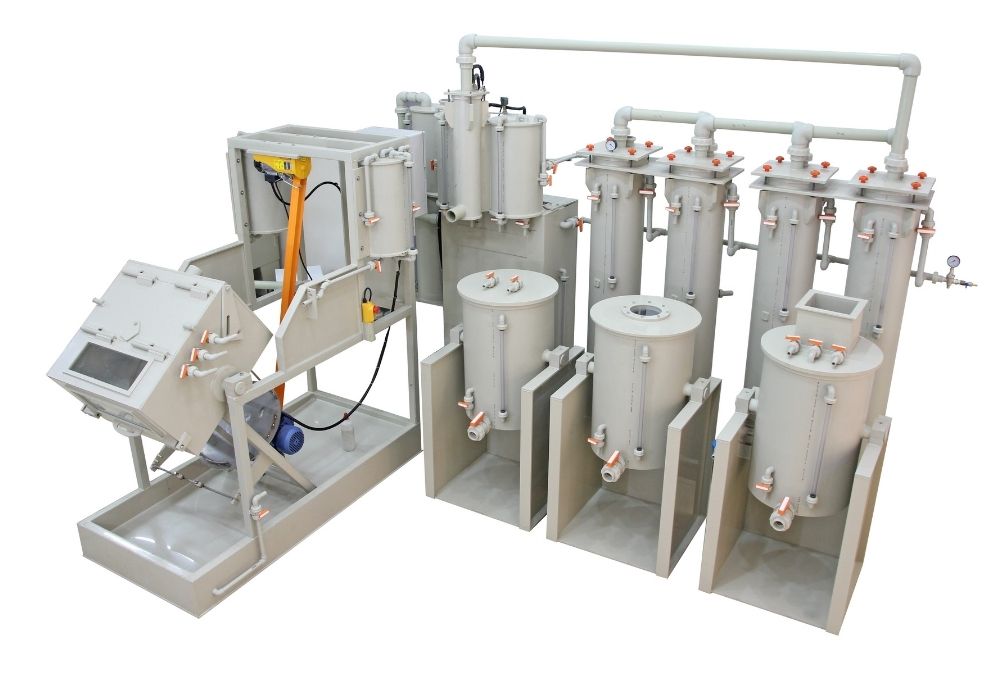
One of the cutting-edge methods includes hydrometallurgical processes, which utilize aqueous solutions to selectively dissolve metals from spent batteries. This technique not only promotes higher recovery rates but also reduces the environmental impact commonly associated with traditional recovery methods. By employing solvents that target specific metals, companies can achieve better purity levels in recovered materials, satisfying the growing demand for high-quality resources.
Furthermore, biotechnology is emerging as a promising solution in the metal recovery field. Certain bacteria can metabolize metals, effectively leaching them from the battery components. This biological extraction process presents an eco-friendly alternative that minimizes the use of harsh chemicals, promoting a circular economy where valuable materials are continuously recycled.
Additionally, advanced pyrolysis methods are being explored, where batteries are subjected to high temperatures in an oxygen-free environment to carbonize organic components. This process not only allows for the recovery of metals but also helps in the efficient disposal of harmful residues, ensuring a cleaner approach to waste management.
Embracing these innovative techniques not only enhances the recovery of valuable metals from lithium-ion batteries but also sets a precedent for future practices in metal recovery. As more companies adopt these methods, the industry is bound to see a transformation toward more sustainable and efficient processes that benefit both the economy and the environment.
Comparative Analysis Of Recovery Packages Offered In The Market
When considering the Recovery of Valuable Metals from Lithium-Ion Batteries, it is crucial to understand the various recovery packages available in the market. Different companies offer a range of services tailored to both large-scale operations and individual projects. These packages often include collection services, on-site processing, and comprehensive recycling solutions that allow businesses to choose options that best fit their needs.
Many providers distinguish themselves with unique methodologies and technology. Some focus on advanced hydrometallurgical processes, which may yield higher recovery rates of valuable metals like lithium, cobalt, and nickel. Others may emphasize eco-friendly practices, showcasing their commitment to reducing environmental impact while efficiently recovering these metals.
Pricing structures also vary significantly between recovery packages. While some companies offer competitive pricing based on the volume of batteries processed, others may provide tiered pricing based on recovery efficiency or the purity of metals obtained. It’s essential to conduct a thorough cost-benefit analysis to ensure you’re selecting the most advantageous option for your specific needs.
Transparency and Innovation: The Gold Standard for Lithium-Ion Battery Metal Recovery
Customer support and transparency should not be overlooked. The best recovery packages will provide detailed reports on recovery yield and environmental impact, ensuring you understand the value generated from your investment in the recovery of valuable metals from lithium-ion batteries.
Leading the way in the recovery of valuable metals from lithium-ion batteries, companies like Umicore, Li-Cycle, and Redwood Materials have made significant strides in the sustainable management of battery waste. Umicore, a global leader in materials technology, utilizes advanced hydrometallurgical processes to efficiently extract cobalt, nickel, and lithium, making recycling not only effective but also economically viable.
Li-Cycle has revolutionized the process with its patented Spoke and Hub technology, which enables the recovery of critical materials from used batteries in an environmentally friendly manner. This system optimizes logistics and significantly reduces carbon emissions associated with battery waste management.
Pioneering Your Own Recycling Venture: A Guide to Recovering Valuable Metals from Li-ion Batteries
Redwood Materials, founded by former Tesla executive JB Straubel, focuses on closed-loop recycling, ensuring that the metals recovered from old batteries are reintroduced into the production of new batteries. This approach not only helps in powering the green energy transition but also ensures a steady supply of materials without causing further environmental degradation.
These companies serve as inspiring examples of innovation in the field, demonstrating that the recovery of valuable metals from lithium-ion batteries is not only achievable but is also essential for building a sustainable future. By leading these initiatives, they are paving the way for other businesses to follow suit and invest in green technologies.
Starting your own project focused on the Recovery of Valuable Metals from Lithium-Ion Batteries can be a rewarding venture both economically and environmentally. The first step is to gather an understanding of the types of batteries you will be working with and the valuable metals contained within them, such as lithium, cobalt, and nickel. Research is crucial; engage with industry reports, attend workshops, and connect with professionals in the field to deepen your knowledge.
Closed-Loop Innovation: The Essential Role of Li-ion Battery Metal Recovery for a Green Economy
Once you have a foundational understanding, it’s essential to develop a clear plan outlining your project's goals, budget, and timeline. Establish partnerships with local waste management facilities, battery manufacturers, or recycling centers to secure a steady supply of batteries for your project. Their expertise will also assist in navigating regulatory requirements related to safety and disposal.
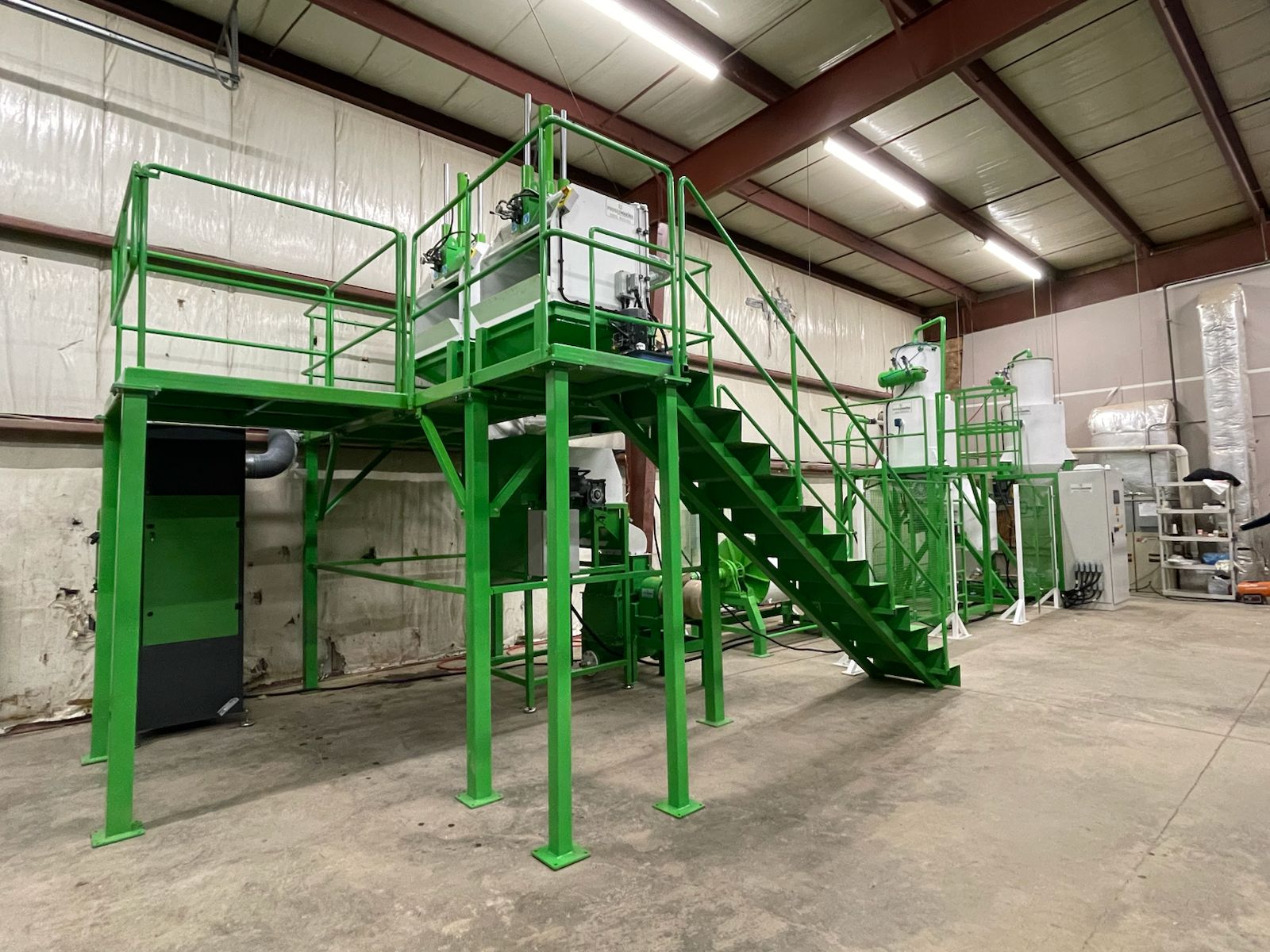
Investing in the right technology and equipment is critical. Depending on the scale of your operation, you might need specialized machinery for sorting, dismantling, and extracting valuable metals efficiently. Consider the innovative techniques available in the market today to enhance your recovery rates and minimize environmental impact.
Engaging with local community awareness programs can create support for your initiative and highlight the importance of responsible battery disposal and recycling. By fostering a community-centric approach, you not only contribute to the sustainability efforts but also help educate others about the recovery of valuable metals from lithium-ion batteries.