
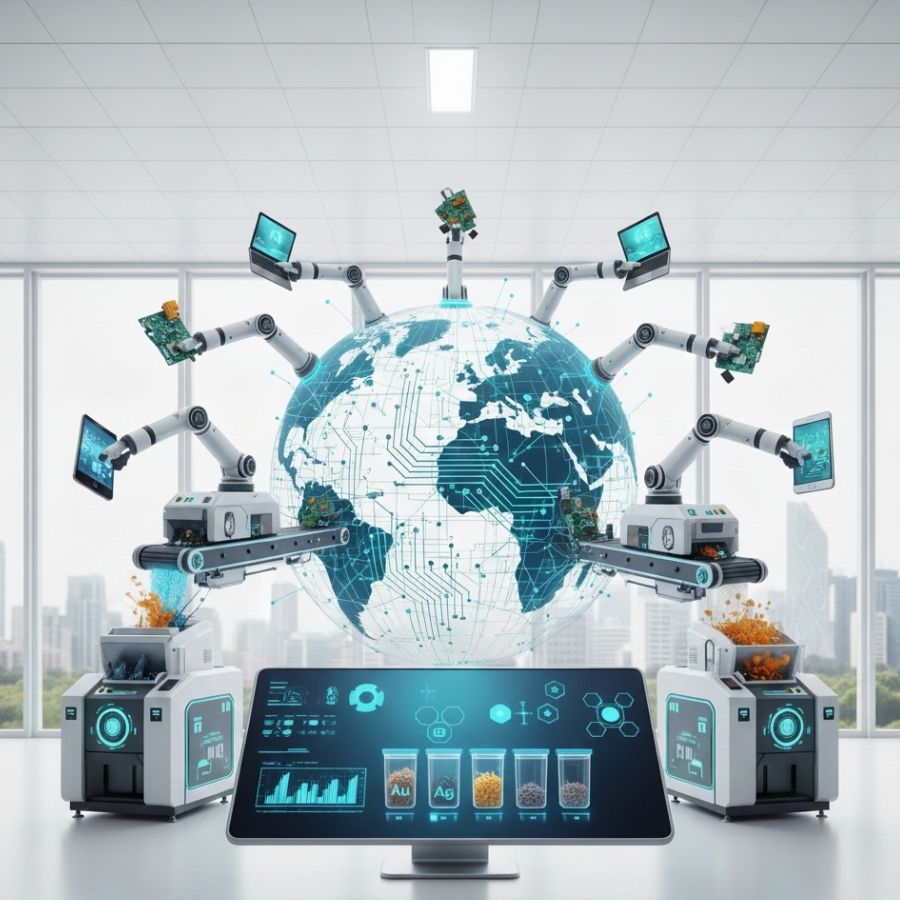
In today’s fast-paced digital world, electronic waste (e-waste) has become a pressing concern, with millions of tons generated each year. As we embrace the latest technologies, effective e-waste recycling is not just an environmental necessity but a lucrative opportunity for businesses and individuals alike. This article delves into the innovative technologies reshaping the e-waste recycling landscape, highlighting their significance in promoting sustainability. From groundbreaking processes that recover valuable materials to various recycling packages tailored for different needs, we’ll explore how these advancements can benefit both the planet and your bottom line. Join us as we uncover success stories from businesses reaping the rewards of e-waste recycling solutions and provide essential steps for getting started in this vital endeavor.Discover the significance of e-waste recycling, innovative technologies, successful case studies, and essential steps to effectively manage e-waste for a sustainable future.
Latest Technologies in E-Waste Recycling
E-waste recycling is essential in today’s technology-driven world, where the rapid pace of innovation leads to an increasing volume of discarded electronic devices. Understanding the importance of e-waste recycling goes beyond simply managing the disposal of obsolete technology; it encompasses environmental protection, resource recovery, and public health. By recycling e-waste, we can significantly reduce the amount of toxic substances entering landfills, thereby mitigating soil and groundwater contamination.
Moreover, the significance of recycling lies in its potential to reclaim valuable materials such as gold, silver, and copper from discarded electronics. These materials can be reused in manufacturing, which not only conserves natural resources but also reduces the ecological footprint associated with mining and extracting new raw materials. The implementation of the latest technologies in e-waste recycling enhances the efficiency and effectiveness of reclaiming these resources, ensuring that less electronic waste ends up in landfills.
Another critical aspect of e-waste recycling is its role in promoting sustainable practices within industries. Companies that adopt comprehensive recycling programs not only meet regulatory requirements but also appeal to environmentally conscious consumers. This shift towards sustainability can enhance brand reputation and attract a wider customer base looking for eco-friendly businesses.
Understanding the importance of e-waste recycling is pivotal for environmental sustainability, resource recovery, and corporate responsibility. By embracing the latest technologies in e-waste recycling, we can forge a path toward a greener future that benefits both our planet and our communities.
Overview Of The Latest Technologies In E-Waste Recycling
The field of e-waste recycling is evolving rapidly, incorporating innovative technologies that not only enhance recycling efficiency but also minimize environmental impact. Among the Latest Technologies in E-Waste Recycling, automated sorting systems are becoming prevalent. These systems utilize advanced sensors and artificial intelligence to identify, sort, and categorize diverse electronic components, allowing for a more streamlined and effective recycling process.
Another significant advancement is the use of hydrometallurgical methods for metal recovery. This technique enables the safe extraction of valuable metals like gold, silver, and copper from e-waste without using harmful chemicals, thus promoting sustainable practices. Innovations such as these not only boost the recovery rates of important materials but also reduce the ecological footprint of e-waste recycling.
Additionally, the integration of closed-loop systems in e-waste recycling facilities helps ensure that materials can be reused or recycled repeatedly, contributing to a circular economy. By adopting such practices, businesses can enhance their sustainability initiatives while also benefiting from reduced raw material costs.
Moreover, advancements in data destruction technology are playing a crucial role in the secure recycling of electronic devices. Using methods such as degaussing and hard disk shredding ensures that sensitive information is destroyed effectively, safeguarding data privacy during the recycling process.
The Latest Technologies in E-Waste Recycling encompass a range of innovative processes that not only improve the efficiency and safety of recycling but also promote environmental stewardship. By leveraging these technologies, companies and individuals can participate in creating a sustainable future while extracting economic value from their electronic waste.
Innovative Processes Transforming E-Waste Into Valuable Resources
The demand for more sustainable solutions in electronic waste management has led to the emergence of several latest technologies in e-waste recycling. These innovative processes not only minimize environmental impact but also convert discarded electronics into valuable resources. Below are some of the key innovative processes that are transforming e-waste into valuable materials:
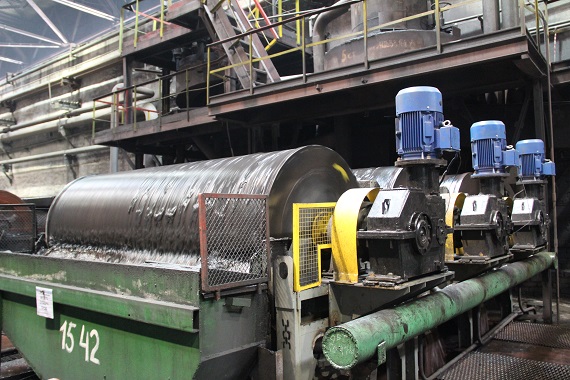
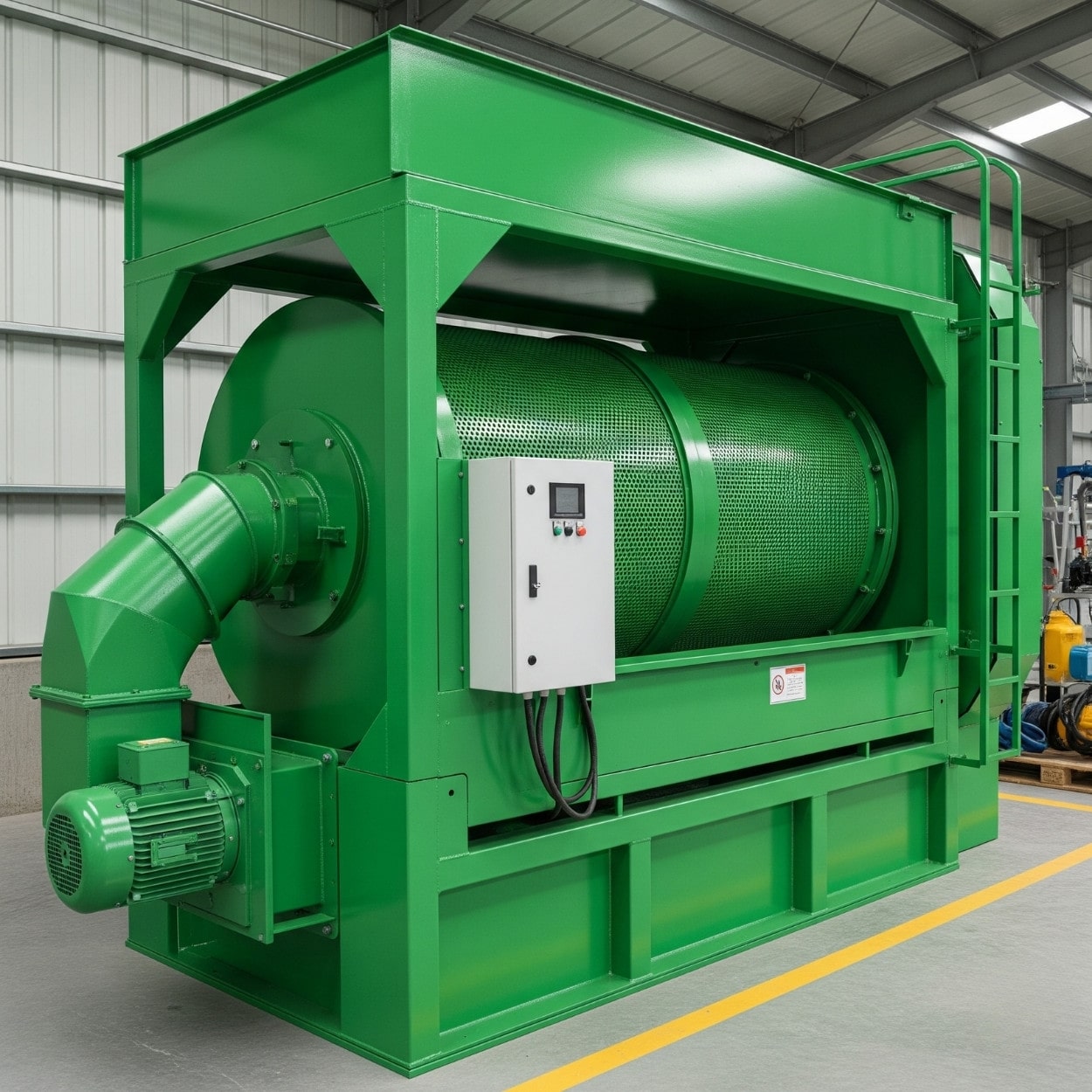
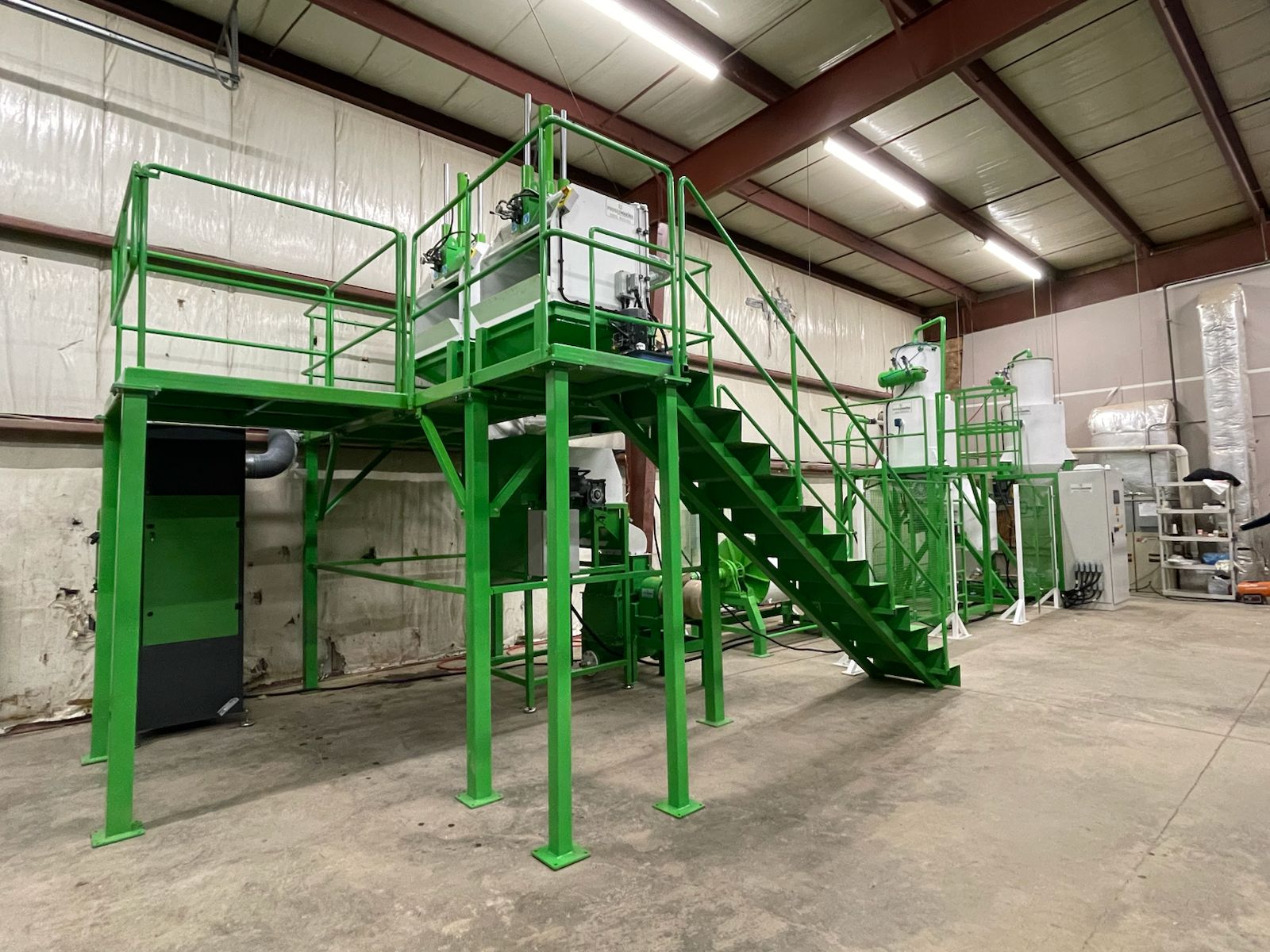
Mechanical Processing: This method involves the physical separation of the various components found in electronic devices. Advanced shredders and granulators break down e-waste into smaller pieces, making it easier to recover metals, plastics, and other materials. This mechanical segregation helps in efficiently reclaiming precious metals like gold, silver, and palladium, which are often found in circuit boards and connectors.
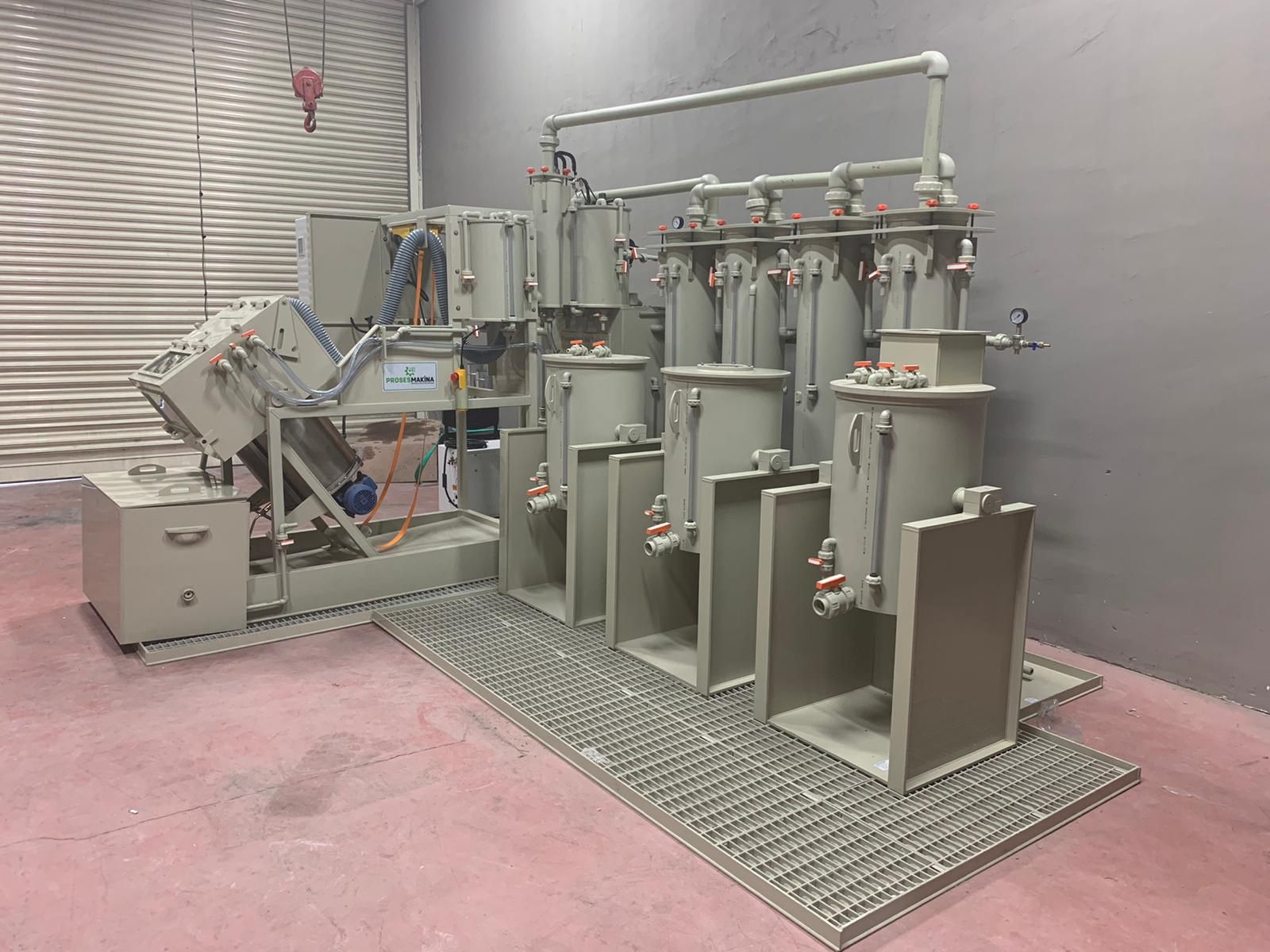
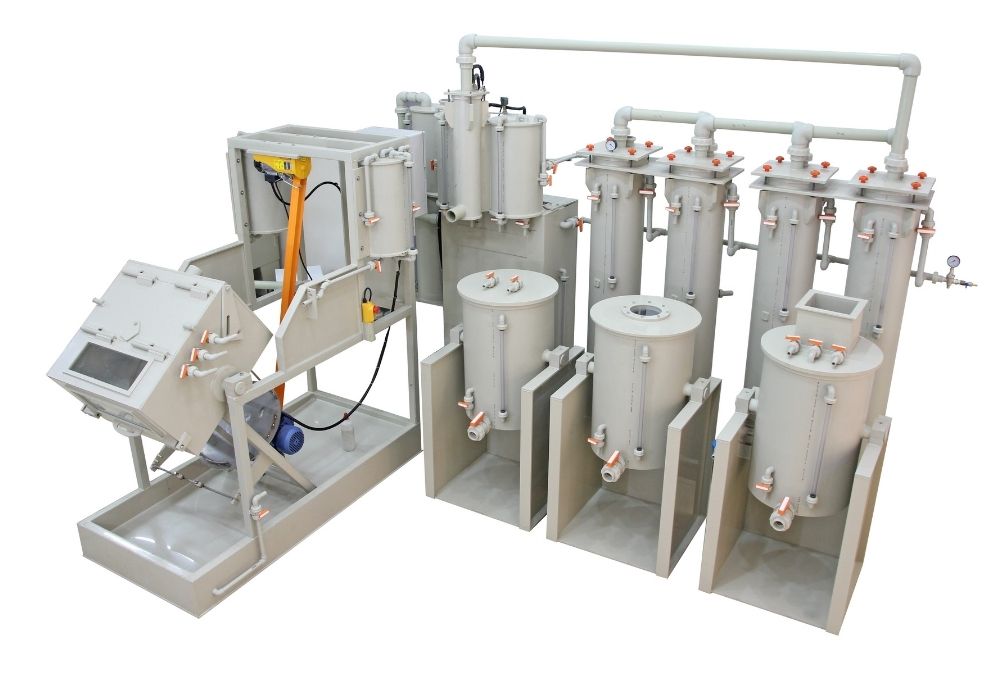
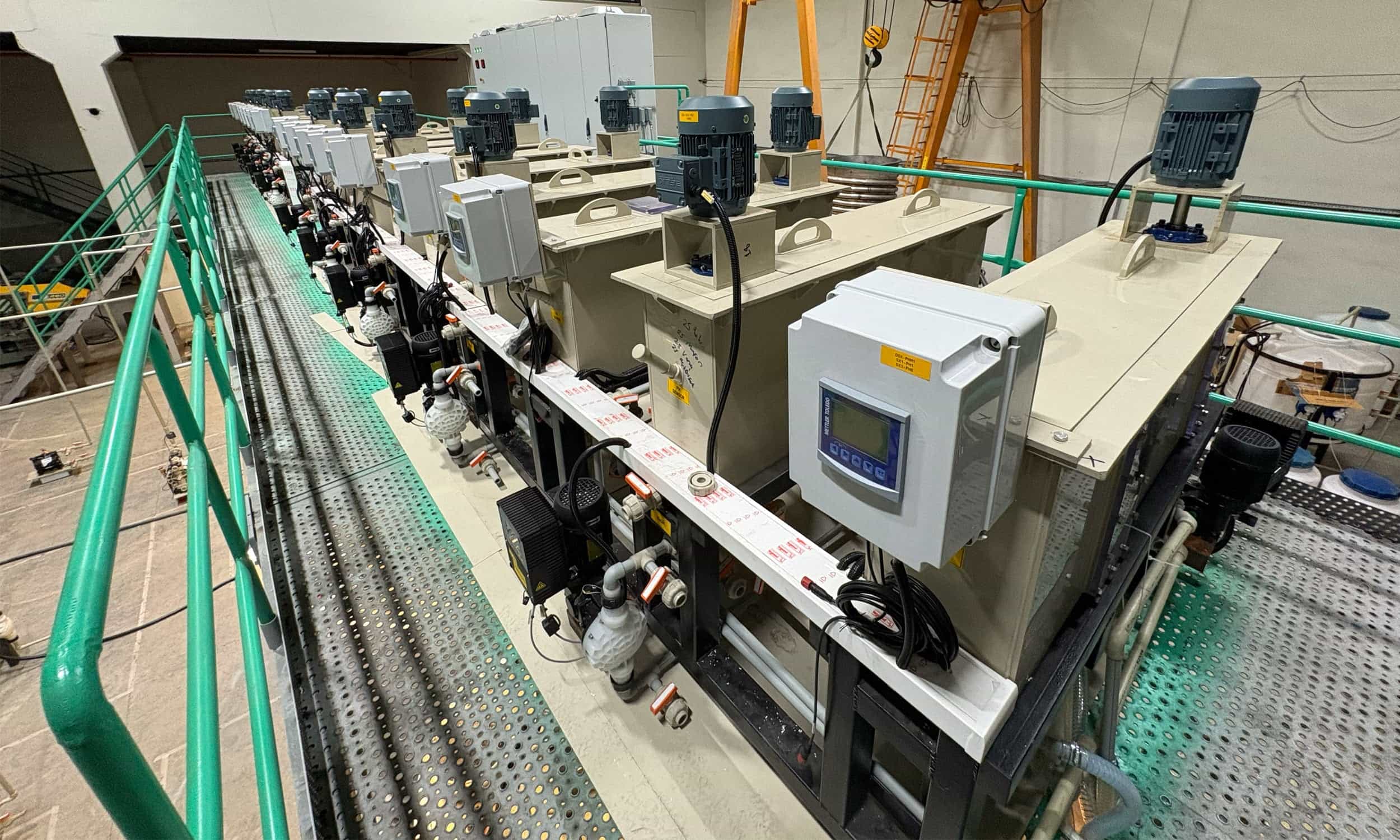
Hydrometallurgical Techniques: Utilizing chemical reactions, hydrometallurgical processes extract valuable metals from e-waste. This method includes leaching, where specific acids or solvents dissolve metals from the separated materials, allowing for the recovery of high-purity metals. This process is particularly effective for isolating precious and rare metals and reduces the energy required compared to traditional smelting methods.
Biotechnological Approaches: An emerging trend in e-waste recycling involves the use of microorganisms to recover metals. Certain bacteria have the ability to bio-leach metals from e-waste, turning harmful waste into resources. This environmentally friendly approach minimizes the use of hazardous chemicals and reduces the carbon footprint of the recycling process.
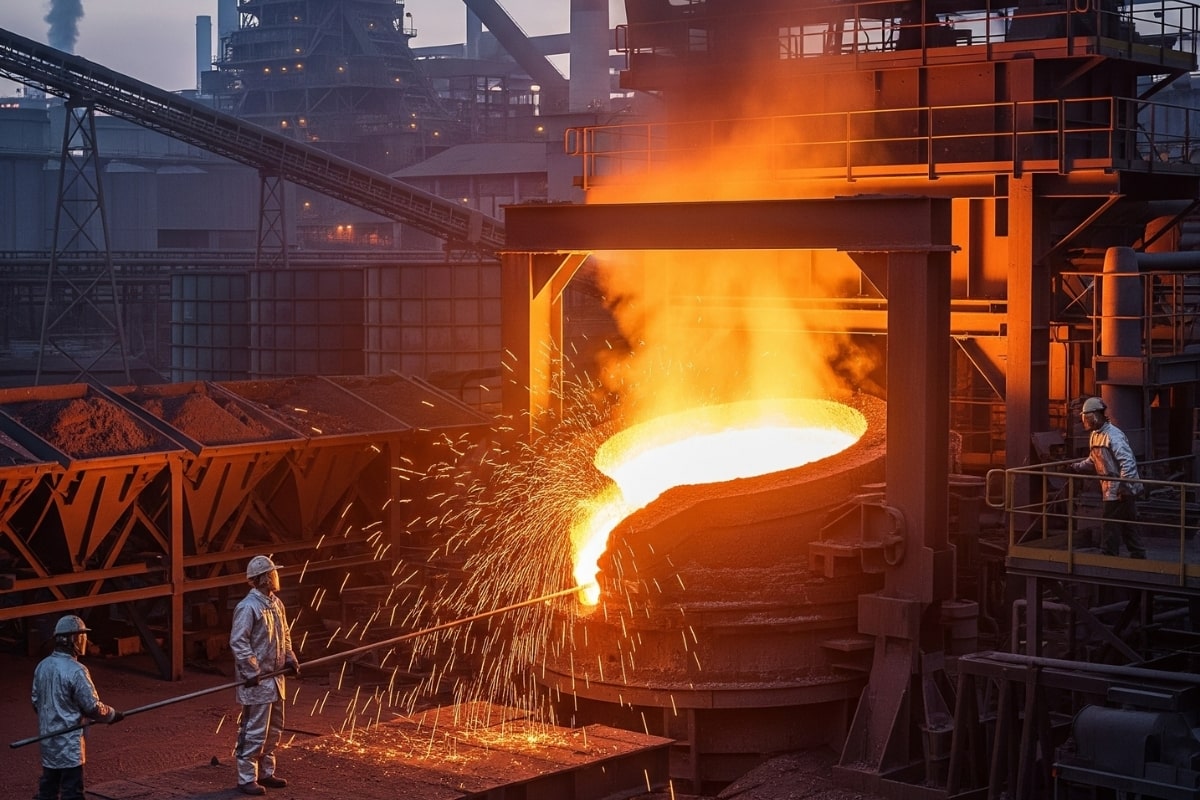
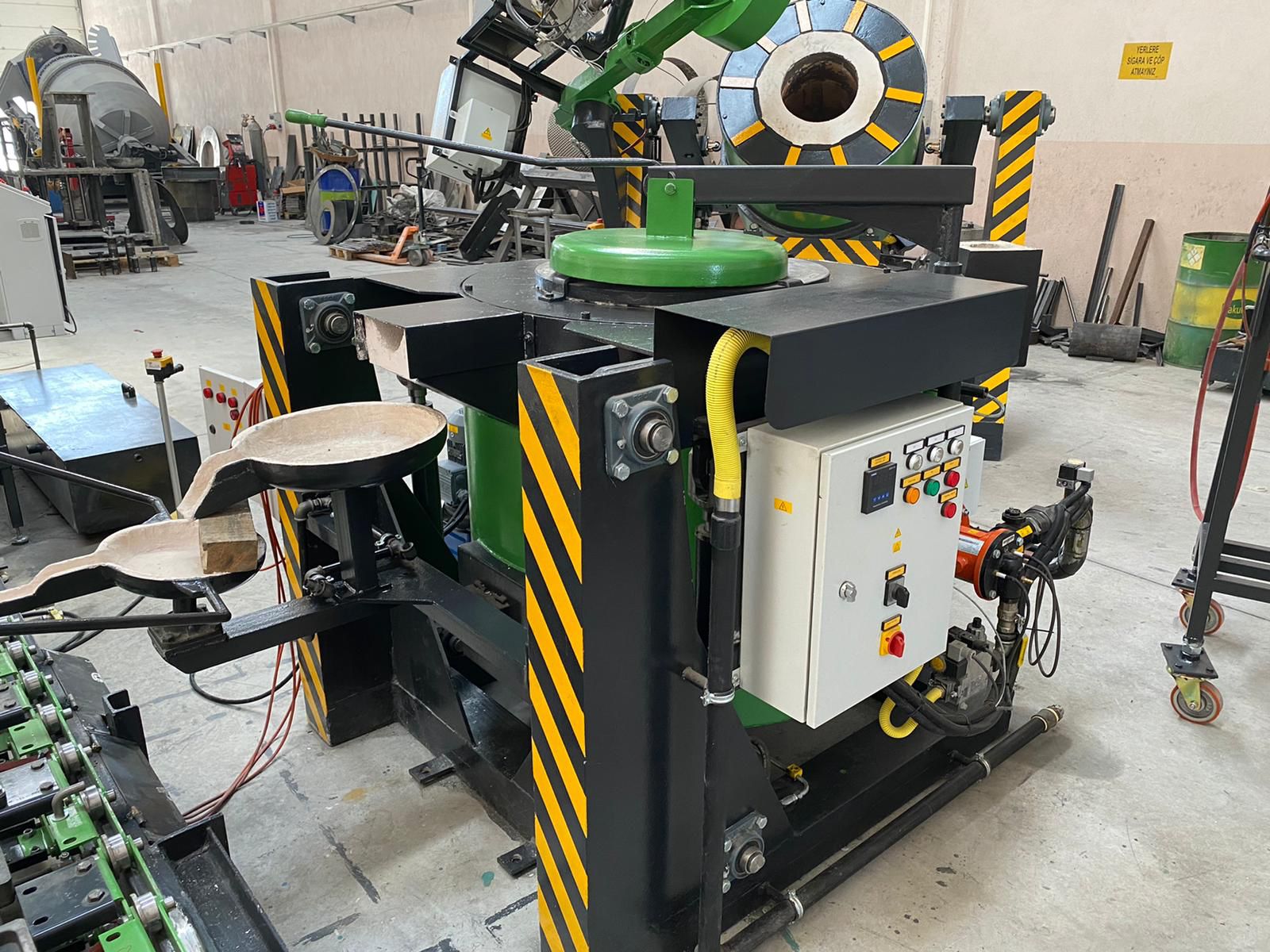
Plasma Arc Technology: This cutting-edge technology uses high temperatures generated by a plasma arc to break down e-waste into its fundamental elements. The process converts organic materials into gas, while metals can be recovered in their molten form, providing a highly efficient way to reduce e-waste volume and reclaim useful materials.
By implementing these innovative technologies, businesses can not only contribute to environmental sustainability but also unlock significant economic value from their e-waste. The ongoing developments in the field of latest technologies in e-waste recycling ensure that more resources are recovered, creating a circular economy that benefits both the planet and businesses alike.
Comparing E-Waste Recycling Packages And Their Benefits
When evaluating Latest Technologies in E-Waste Recycling, it is essential to consider the various recycling packages available, as these can significantly influence both the environmental impact and the economic benefits for businesses. Each package is designed to cater to different needs, whether it is for small businesses or large corporations, and can include services such as collection, processing, and reporting.
One of the main benefits of comprehensive recycling packages is their implementation of advanced technologies that ensure the safe and efficient processing of e-waste. For instance, some packages incorporate automated sorting systems that can effectively separate materials like metals and plastics, thereby maximizing recovery rates and minimizing landfill contribution.
Additionally, partnering with a reliable e-waste recycling provider means companies can gain access to the latest innovations and methodologies that promote sustainability. Many packages also offer certification, which not only demonstrates compliance with local regulations but enhances the business's reputation for environmentally responsible practices.
Moreover, businesses can select packages that align with their specific goals, whether focusing on cost savings, regulatory compliance, or corporate social responsibility. By understanding the different options available, businesses are better equipped to choose a package that optimally meets their needs, ensuring they leverage the Latest Technologies in E-Waste Recycling for maximum benefit.
Success Stories: How Businesses Thrive With E-Waste Recycling Solutions
In today's rapidly evolving technological landscape, companies are consistently seeking effective ways to achieve sustainability while enhancing their operational efficiency. Many organizations have discovered that adopting the Latest Technologies in E-Waste Recycling not only contributes to environmental preservation but also drives profitability and reinforces their brand image.
Consider the case of a leading electronics manufacturer that implemented a comprehensive e-waste recycling program. By integrating state-of-the-art recycling technologies, this company reduced its electronic waste by 60% within just one year. The innovative processes they utilized transformed obsolete products into valuable resources, allowing the company to recover precious metals and plastics, which significantly lowered production costs. This practice not only improved their bottom line but also positioned them as an industry leader in sustainable practices.
Another success story involves a tech startup that focused on refurbishing old devices for resale. Leveraging the latest recycling methods, they successfully diverted thousands of units from landfills. By partnering with professional e-waste recycling facilities employing Latest Technologies in E-Waste Recycling, they ensured that their discarded devices were processed efficiently and responsibly. The startup saw a 30% increase in revenue as customers appreciated their commitment to sustainability, which in turn enhanced their marketability.
Moreover, large corporations, such as multinational tech firms, have also implemented e-waste recycling initiatives, leading to remarkable outcomes. These companies developed comprehensive recycling programs that not only comply with global regulations but also serve as a competitive advantage. The positive results foster trust among consumers, likely increasing customer loyalty while reinforcing their market presence.
Overall, businesses that embrace the Latest Technologies in E-Waste Recycling not only contribute to environmental sustainability but also capitalize on economic opportunities. By transforming waste into resources, these organizations are paving the way for a circular economy and setting an inspiring example for others to follow.
Getting started with e-waste recycling can be a rewarding venture for both individuals and businesses. To effectively engage in this practice, it's essential first to assess the amount of electronic waste you generate. Begin by collecting all outdated and non-functioning electronic devices, including computers, smartphones, and televisions. This initial step not only helps in identifying what needs recycling but also raises awareness about the impact of electronic waste on the environment.
Once you have gathered your e-waste, the next step is to research local e-waste recycling facilities. These facilities employ the latest technologies in e-waste recycling to ensure efficient sorting and processing of materials. Make sure to choose a certified recycler that complies with local regulations and sustainability practices. This ensures that the recycling process is not only effective but also safe for the environment.
Additionally, consider integrating e-waste recycling into your business operations by adopting a designated recycling policy. This policy can outline how employees can contribute to reducing e-waste and the proper procedures for disposal. Encouraging a culture of recycling can greatly reduce the volume of e-waste generated and foster greater environmental responsibility in the workplace.
Stay informed about the advancements in e-waste recycling technologies. By leveraging the latest technologies in e-waste recycling, you not only contribute to a greener planet but also benefit from potential cost savings and resource recovery. Engaging with educational resources, webinars, or local workshops can provide essential knowledge about best practices in e-waste management and recycling.