
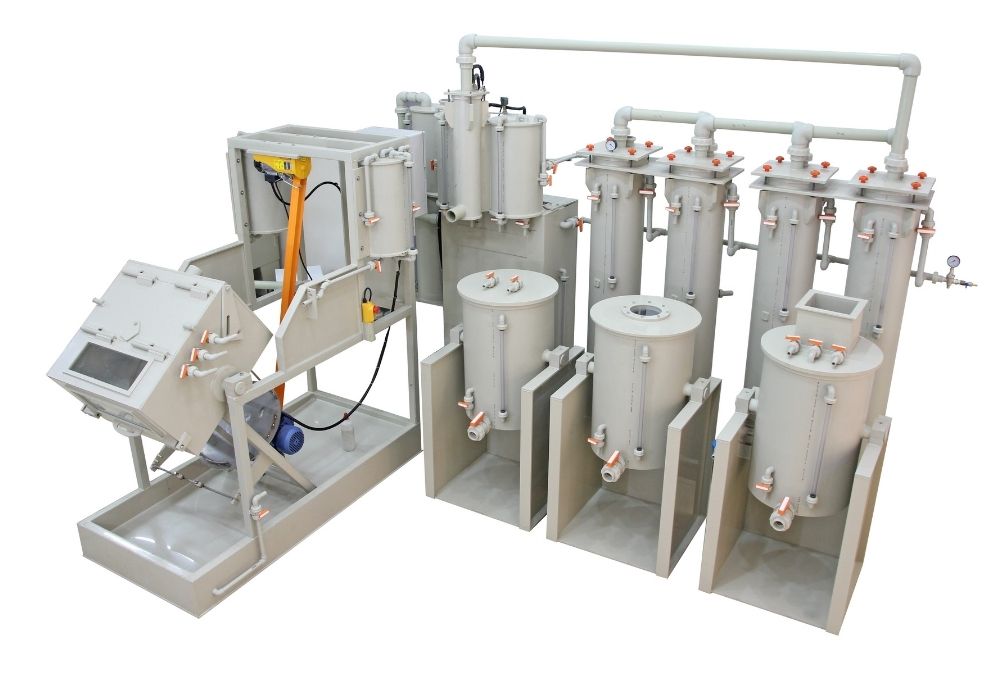
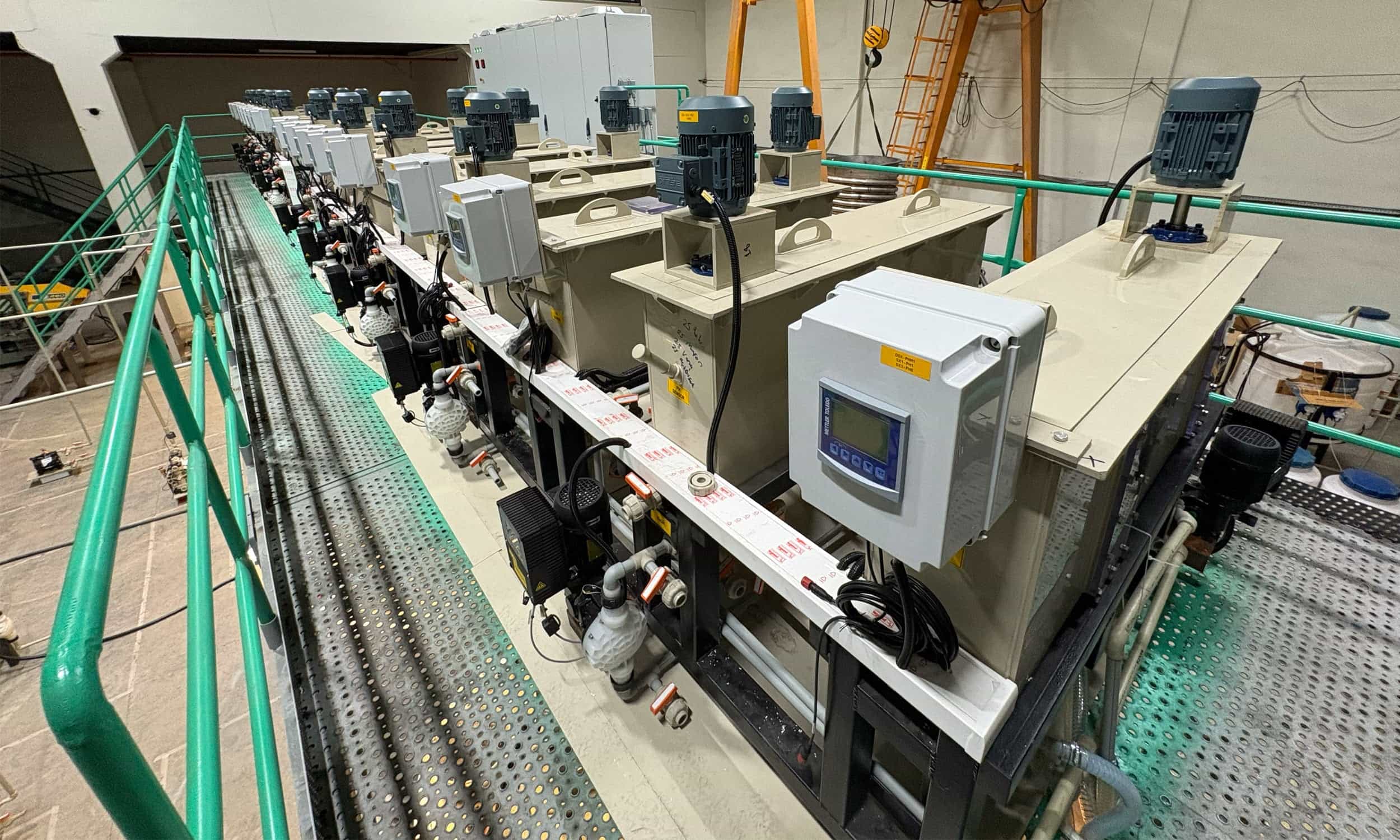
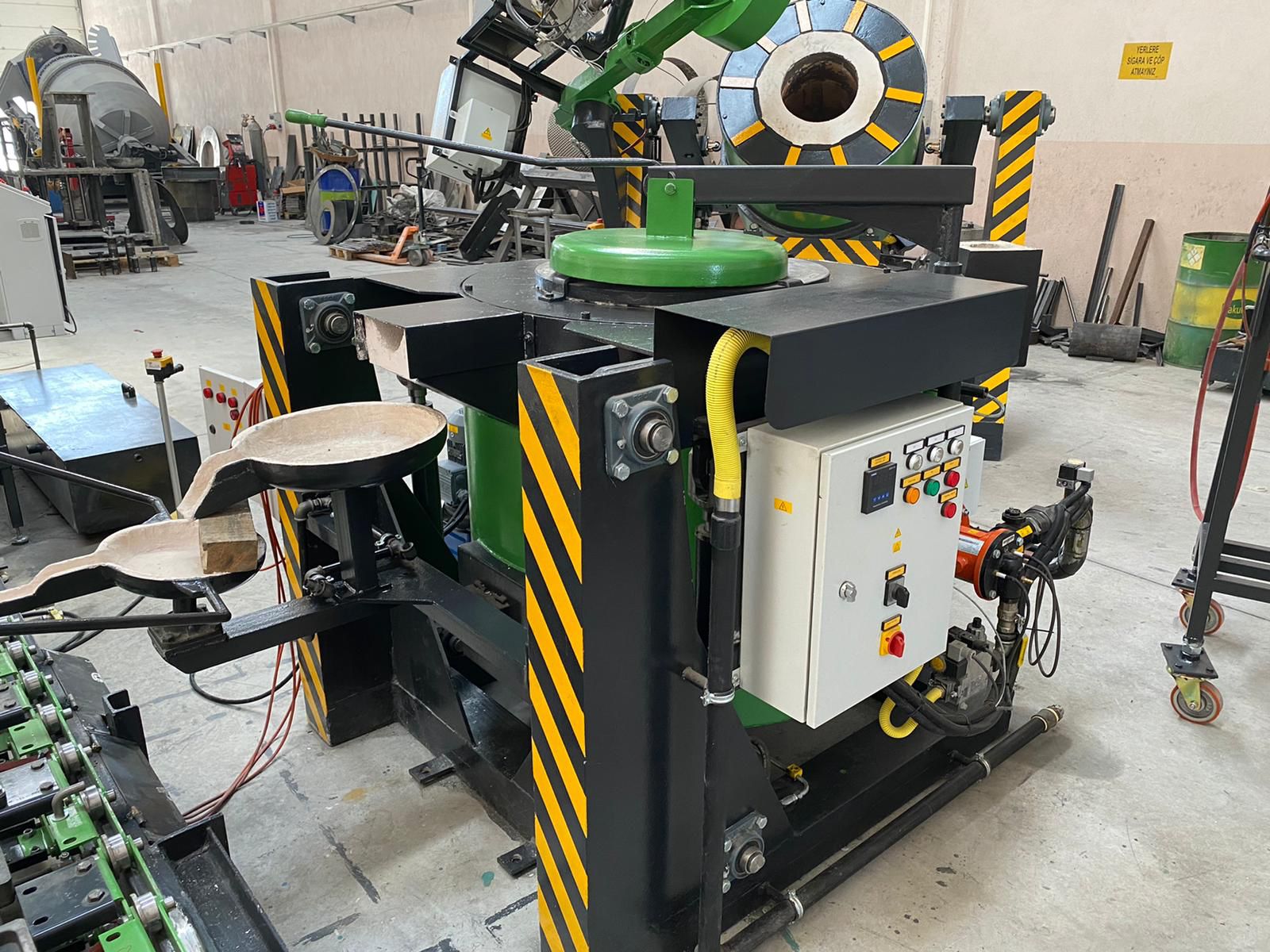
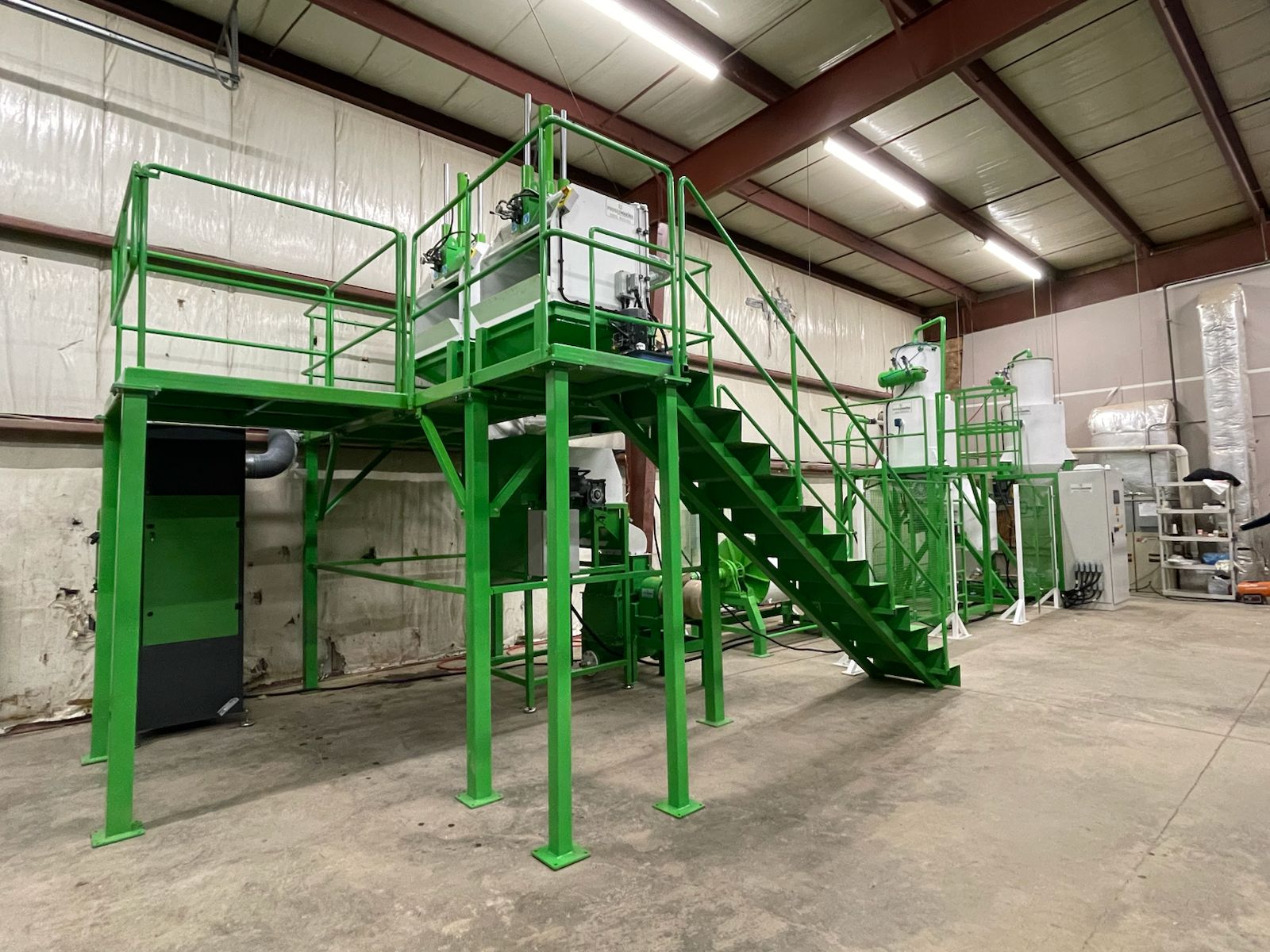

In an era where sustainability is paramount, the jewelry industry is taking significant strides by integrating waste management and refining processes. This article delves into the crucial role that effective waste management plays in enhancing the efficiency and sustainability of jewelry production. As consumer awareness grows, the importance of incorporating eco-friendly practices not only meets regulatory demands but also enhances brand integrity, ultimately attracting a more conscious clientele. We will explore the key benefits of this integration, highlight successful case studies from leading jewelers, and provide practical insights into best practices for effective implementation. Join us as we uncover how the harmonization of waste management and refining processes can pave the way for a more sustainable and responsible jewelry industry.Explore waste management in the jewelry industry, highlighting refining processes, benefits, best practices, and success stories for sustainable integration. Discover actionable steps to get started.
Integration of Waste Management and Refining Processes in the Jewelry Industry
Effective waste management in the jewelry industry is vital for minimizing environmental impact and enhancing the overall sustainability of operations. As the industry grows, so does the volume of waste generated during the production of jewelry pieces. This waste can range from precious metal scraps to packaging materials, all of which can contribute to environmental degradation if not properly addressed.
The integration of waste management and refining processes in the jewelry industry involves several critical components aimed at reducing waste and maximizing resource efficiency. A key aspect is the identification and classification of different types of waste produced, including:
- Metal Waste: Excess metals collected from production and repair processes.
- Packaging Materials: Discarded boxes, plastics, and other materials used to ship completed jewelry.
- Chemical Waste: Solutions and materials used in cleaning and plating processes that may be hazardous.
Once categorized, waste can be prioritized for reduction, recycling, or safe disposal. Implementing recycling programs for precious metals can significantly decrease the need for new raw materials, ultimately leading to a more sustainable practice. By remelting and reusing metals, companies not only cut costs but also reduce their carbon footprint and preserve natural resources.
Furthermore, by adopting best practices in waste management, jewelry businesses can improve their brand reputation and appeal to environmentally conscious consumers. Emphasizing these practices demonstrates a commitment to sustainability, which can result in customer loyalty and possibly increased sales. In an industry where aesthetics and ethical practices go hand in hand, understanding and managing waste effectively is a crucial step towards a more sustainable future.
Importance Of Integrating Refining Processes For Sustainability
Integrating refining processes with waste management is essential for sustainability within the jewelry industry. This integration focuses on not only minimizing the environmental impact but also optimizing resource usage and enhancing economic viability. By refining precious metals and other materials recovered from waste, jewelry manufacturers can close the loop in their production cycles. This means that instead of discarding materials that could be valuable, companies can reclaim and reuse these resources, leading to a more sustainable operation. The process reduces the need for new raw materials, which often involves environmentally damaging mining practices.
Another key aspect of this integration is the improvement of operational efficiency. By managing waste effectively and refining the materials that come from this waste, businesses can reduce their overall production costs. The use of recycled materials can significantly lower expenditure on raw materials, which in turn contributes to improved profit margins.
Furthermore, adopting these integrated processes can enhance a company's brand reputation. Today's consumers are increasingly concerned about sustainability and ethical practices. By showcasing a commitment to the integration of waste management and refining processes in the jewelry industry, companies can attract environmentally-conscious customers and differentiate themselves in a competitive marketplace. In summary, the integration of these processes not only fosters a sustainable approach to jewelry manufacturing but also supports economic stability and enhances consumer appeal, making it an essential strategy for modern jewelry businesses.
Key Benefits Of Waste Management And Refining Processes
Implementing the Integration of Waste Management and Refining Processes in the Jewelry Industry offers numerous advantages that not only enhance operational efficiency but also promote environmental sustainability. One of the primary benefits is the significant reduction in waste produced during the manufacturing process. By effectively managing waste, jewelers can minimize their environmental footprint and comply with increasing regulations related to waste disposal.
Furthermore, the integration improves profitability by optimizing resource recovery. Raw materials that might otherwise be discarded can be refined and reused, thus lowering material costs. The refining processes recover precious metals and gems, making them available for future creations, which not only conserves resources but also creates a closed-loop system within the industry.
Additionally, consumers today are more eco-conscious than ever, and brands that adopt sustainable practices can differentiate themselves in a competitive market. Successfully executed waste management and refining strategies can enhance brand reputation and customer loyalty, as buyers prefer to support businesses that are committed to sustainable practices.
This integration fosters innovation by encouraging the industry to develop new methods of waste processing and recycling, driving technological advancements in jewelry manufacturing. As such, the job market may also benefit, resulting in new roles and opportunities focused on sustainability practices in the jewelry sector.
Best Practices For Effective Integration Of Waste Management
To achieve successful Integration of Waste Management and Refining Processes in the Jewelry Industry, businesses must adopt a strategic approach that encompasses a variety of best practices. One fundamental best practice is conducting a thorough assessment of the existing waste management processes. This initial evaluation helps identify areas that require improvement and highlights inefficiencies in the current system.
Another crucial step is fostering a culture of sustainability within the organization. This involves training employees on the significance of waste reduction and refining processes, encouraging them to actively participate in sustainability initiatives. A key element of this culture shift is regular workshops and training sessions that keep employees informed about new technologies and practices in waste management.
Moreover, developing partnerships with waste management experts can significantly enhance the effectiveness of integration efforts. Collaborating with professionals who specialize in waste reduction and recycling can provide valuable insights and innovative solutions tailored to the specific needs of the jewelry industry.
It is vital to implement transparent measurement and reporting systems to track progress. Regular audits and performance metrics not only help in gauging the success of the integration process but also encourage continual improvement and accountability within the organization.
Highlighting Success Stories In The Jewelry Sector
The integration of waste management and refining processes in the jewelry industry has proven to deliver remarkable results, fostering sustainability and efficiency. Several companies have embarked on this journey and set exemplary benchmarks for others to follow.
One notable success story is that of Company A, which implemented a comprehensive waste management plan that included recycling scrap metal and refining processes to recover precious metals. By adopting these practices, they not only reduced their environmental footprint but also reported a 30% increase in profit margins due to lower raw material costs. Their attention to sustainability has garnered positive customer feedback and improved brand loyalty.
Another inspiring case is Company B, which combined innovative technologies in waste processing and metal refining. By using advanced equipment capable of extracting gold and silver from manufacturing waste, this company managed to divert over 75% of its waste from landfills. The successful implementation of a closed-loop system contributed to a significant reduction in operational costs and improved resource efficiency, showcasing how effective waste management can lead to both financial and ecological benefits.
Furthermore, Company C has made strides in embracing circular economy principles. They have taken waste generated during jewelry production and transformed it into new products. By collaborating with local artisans and communities, they not only minimized waste but also created new revenue streams. This commitment to sustainable practices has strengthened their market position and attracted a growing customer base seeking ethical and environmentally friendly jewelry options.
The stories of these companies illustrate the transformative power of the integration of waste management and refining processes in the jewelry industry. As more businesses recognize the critical need for sustainable practices, these success stories will serve as blueprints for other organizations aiming to enhance their ecological impact while achieving economic success.
How To Get Started With Integrating Waste Management Solutions
To effectively initiate the Integration of Waste Management and Refining Processes in the Jewelry Industry, companies should begin by conducting a thorough assessment of their current waste management practices. This involves evaluating the types and quantities of waste produced throughout the production process, as well as identifying areas where improvements can be made.
After the assessment, the next step is to develop a comprehensive waste management strategy that incorporates the principles of refining processes. This strategy should outline specific goals, such as reducing waste output, improving recycling rates, and integrating sustainable materials into the supply chain. Consideration should also be given to the facilities and technologies that will be required to support these initiatives.
Collaboration with stakeholders—including suppliers, recycling partners, and industry experts—is essential for successful implementation. Establishing a working relationship with these parties not only facilitates knowledge sharing but also promotes innovative solutions that can enhance both waste management effectiveness and overall sustainability.
Continual monitoring and evaluation of the integration process should be established. This allows businesses to make adjustments as necessary, ensuring that the waste management solutions are effective and aligned with the company's sustainability goals. As a result, a proactive approach to the Integration of Waste Management and Refining Processes in the Jewelry Industry will lead to improved environmental performance and increased operational efficiency.