

A New Approach to Rare Earth Recovery with the EIT RawMaterials Funded: NdCycle2
Rare earth elements ;are indispensable for today’s high-technology industries. From electricvehicle motors and wind turbines to defence systems, advanced electronics, householdappliances and loudspeaker systems, strategic metals such as neodymium (Nd) form thebackbone of many critical applications. While primary sourcing of these materials involvessignificant environmental and geopolitical risks, recovery from secondary sources has becomean unavoidable necessity for building a new and greener world.
In this context, as a coordinator, Proses Makina, we developed the NdCycle2 – SustainableRecovery of Nd from Secondary Sources of NdFeB Magnets project, which has beenselected for funding by EIT RawMaterials. Through this project, we aim to recover high-purity neodymium from end-of-life NdFeB magnets using sustainable, efficient andenvironmentally responsible methods.
High-Efficiency Recovery Through an Integrated ProcessApproach
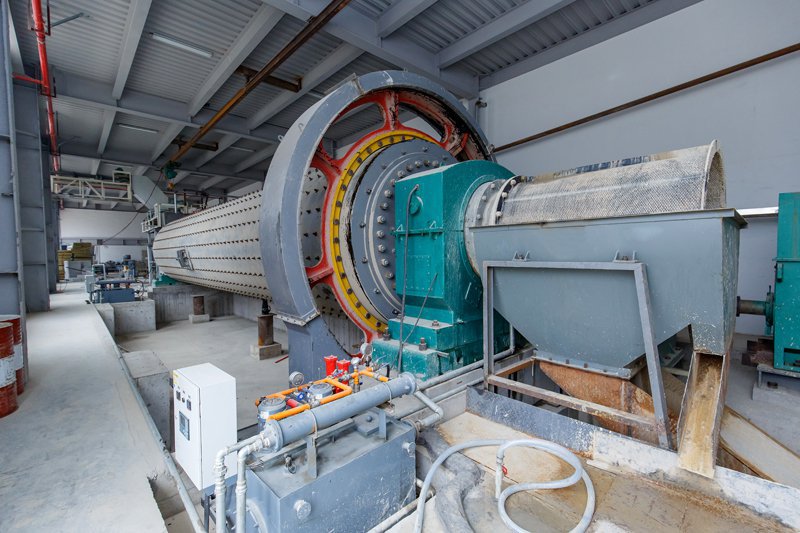
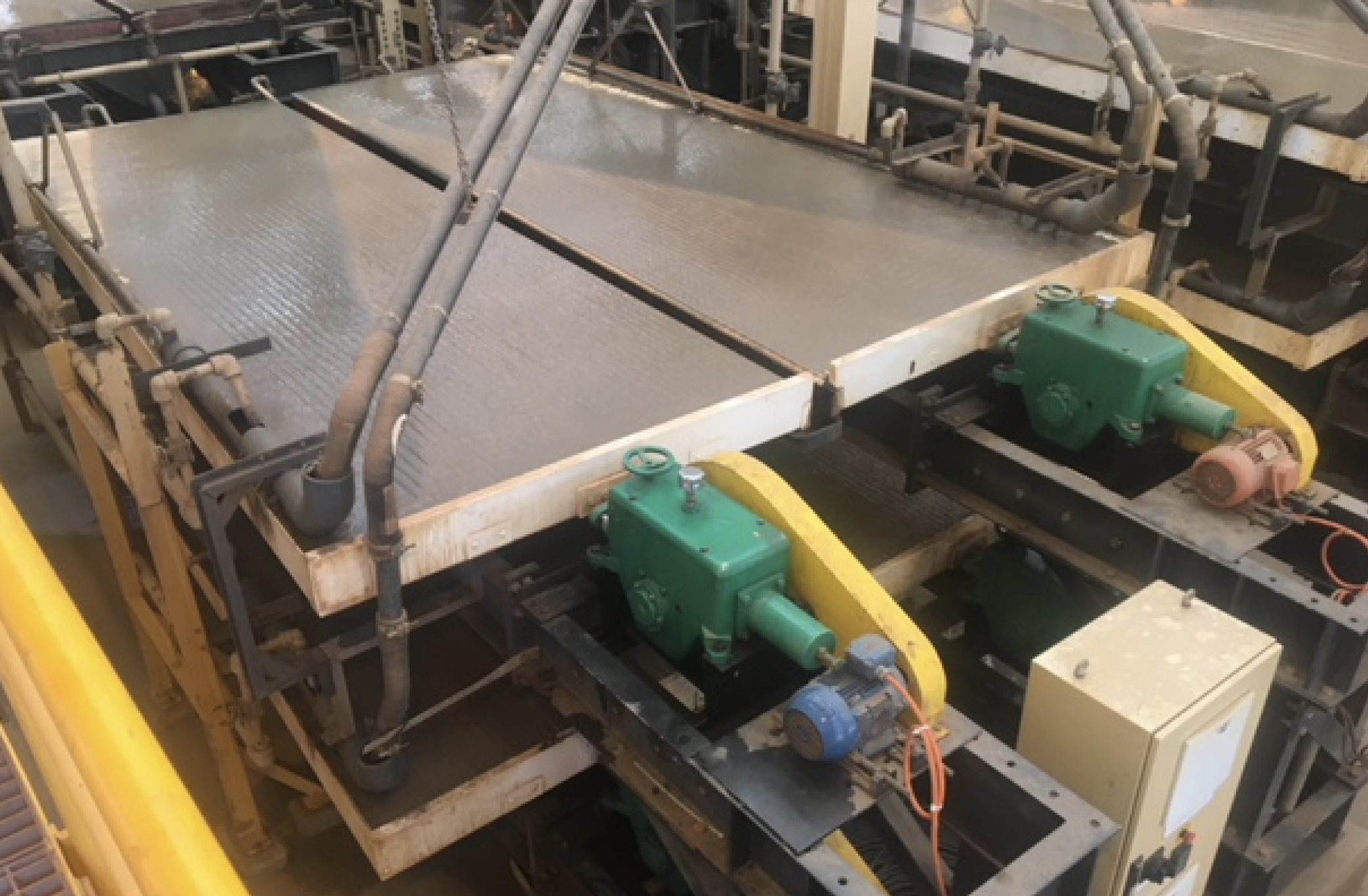
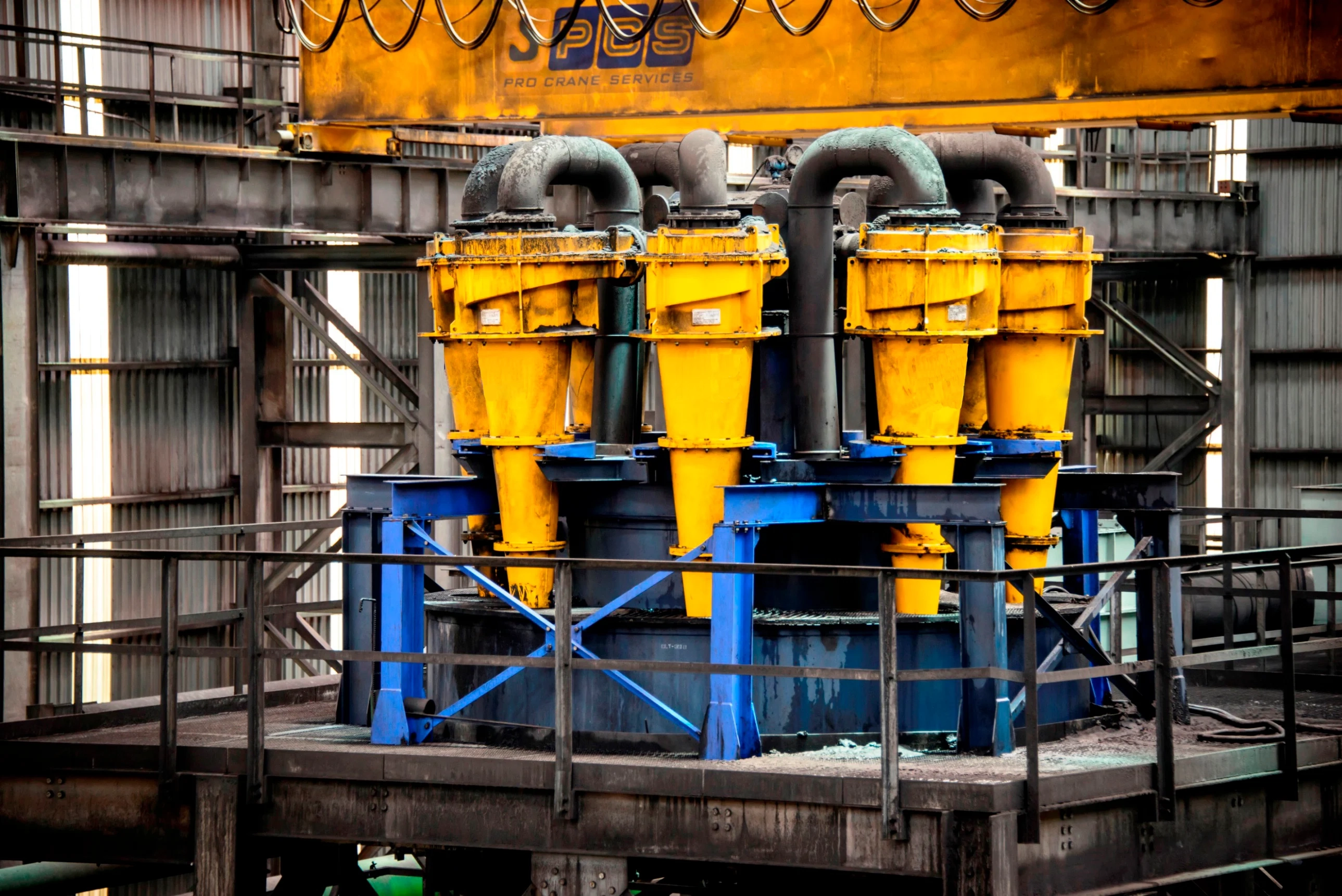
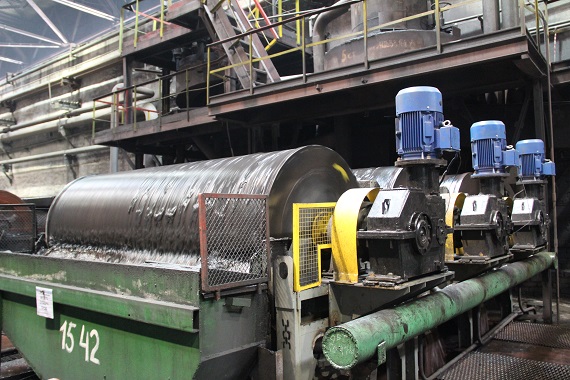
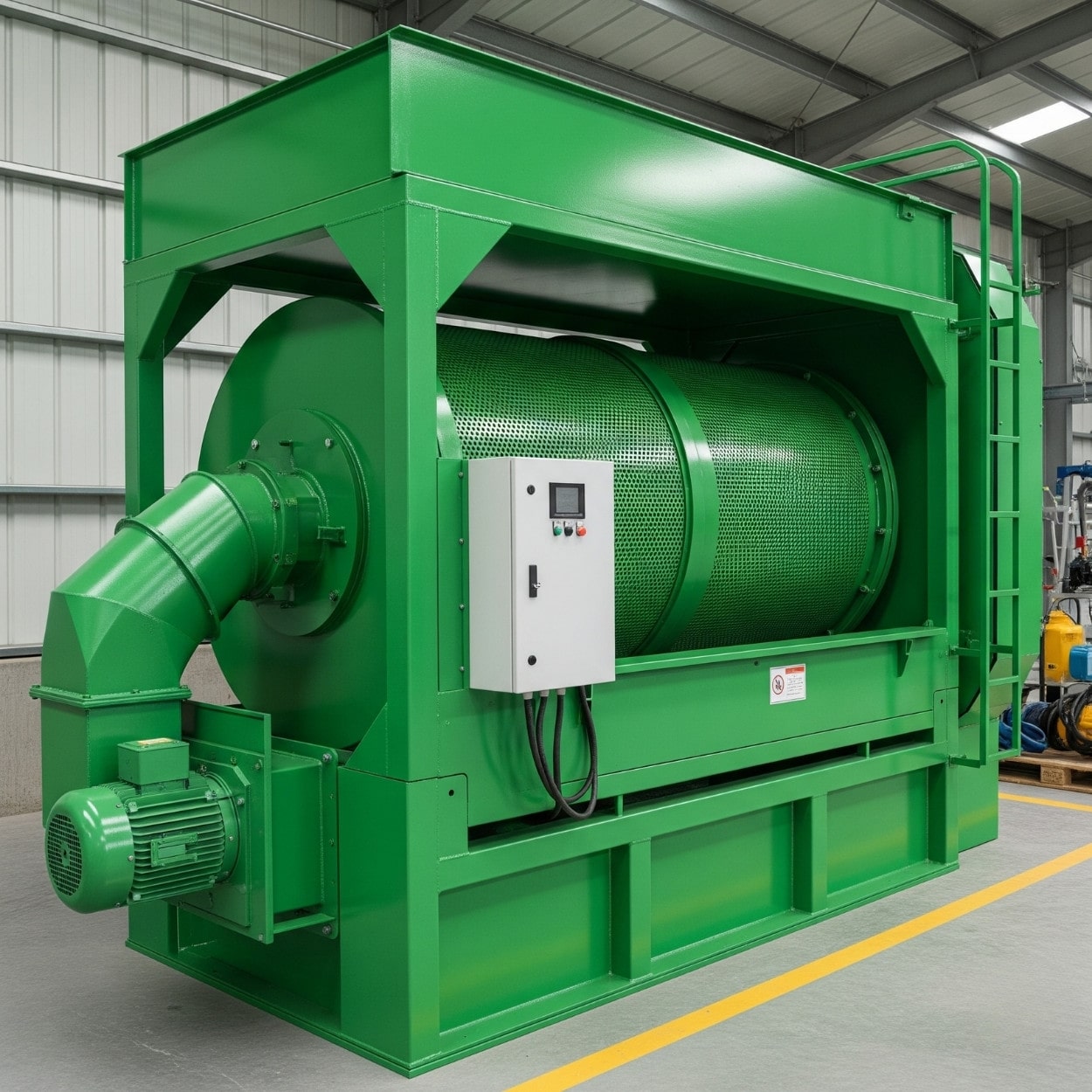
The technology developed under the NdCycle2 project is based on an integrated flowsheetcombining physical and hydrometallurgical methods. The process begins withthe demagnetisation and mechanical size reduction of NdFeB magnets, followed by physicalseparation steps based on differences in magnetic and density properties to obtain process-suitable fractions.
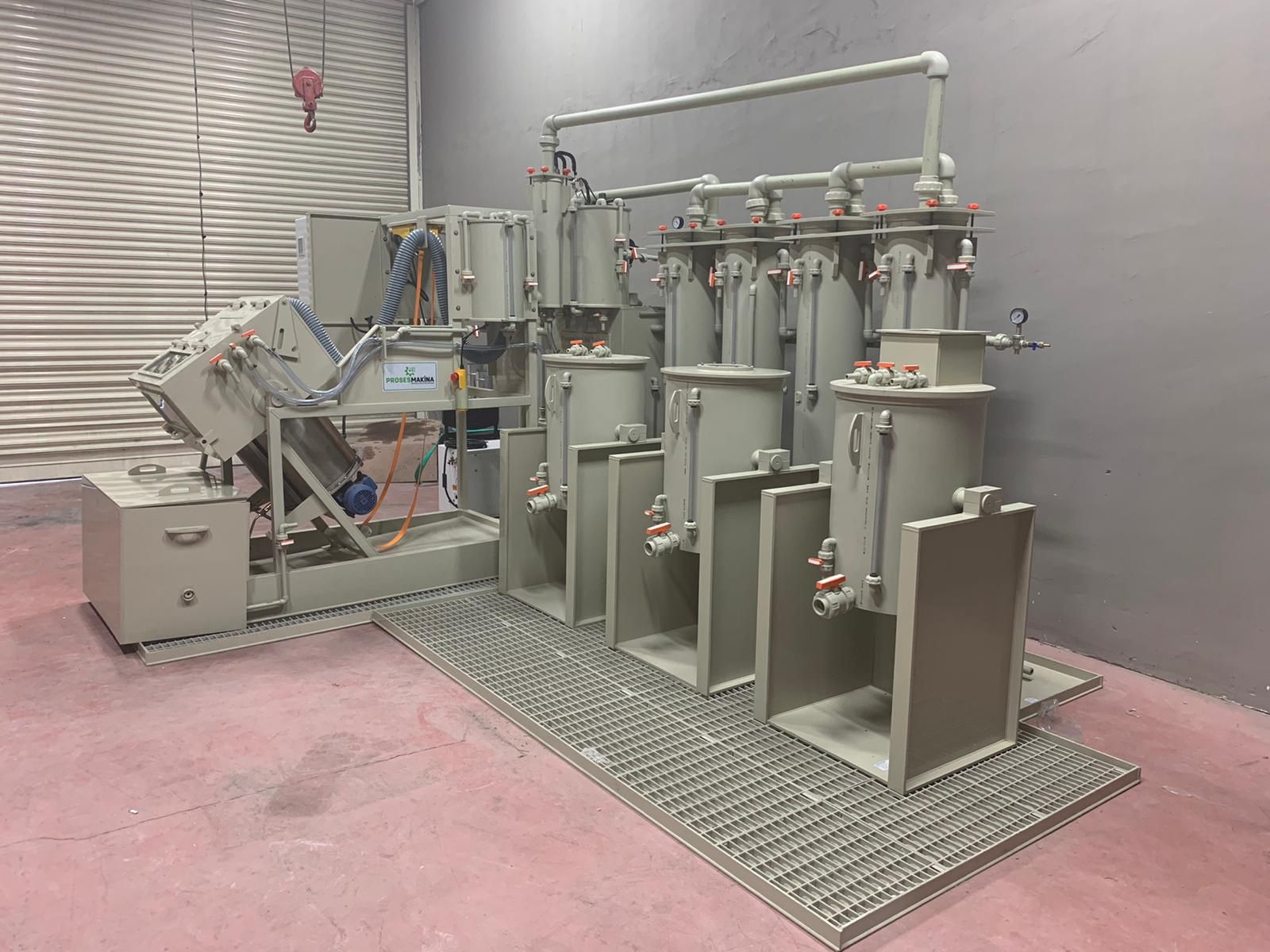
Subsequently, rare earth elements are transferred into the solution phase through a low-temperature, controlled acid leaching process. After leaching, selective solvent extraction is applied to separate neodymium from unwanted components such as iron and boron. Theextraction systems are designed to ensure both high selectivity and low environmental impact.
In the final stage, neodymium is recovered in oxide or metallic form following purificationand precipitation steps. This integrated structure enables both high product purity andminimised waste generation.
Pilot Plant Implementation and Scale-Up Activities
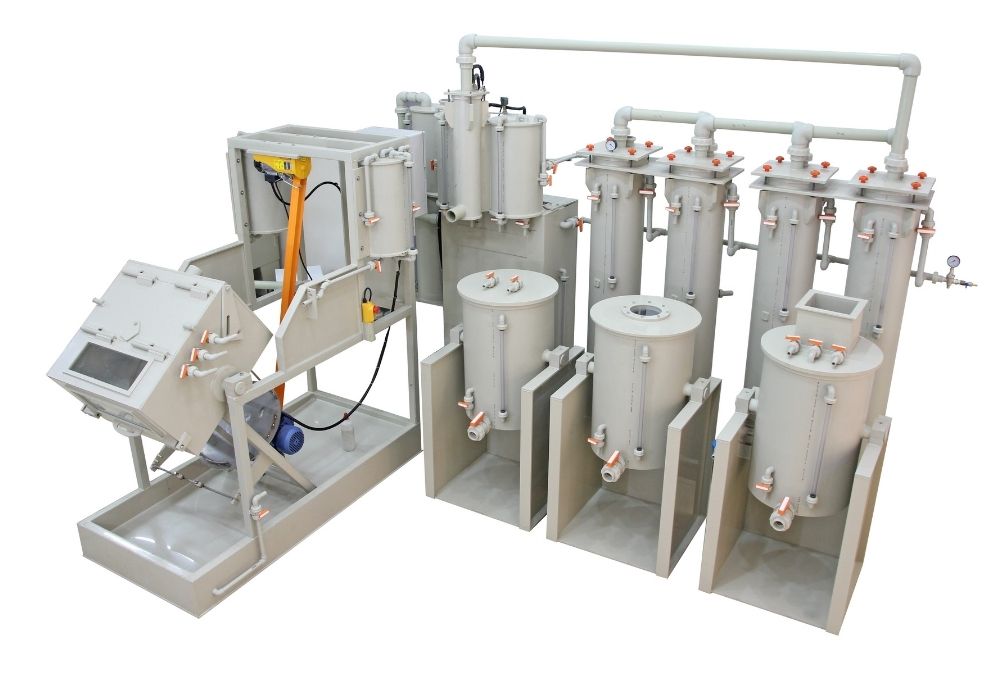
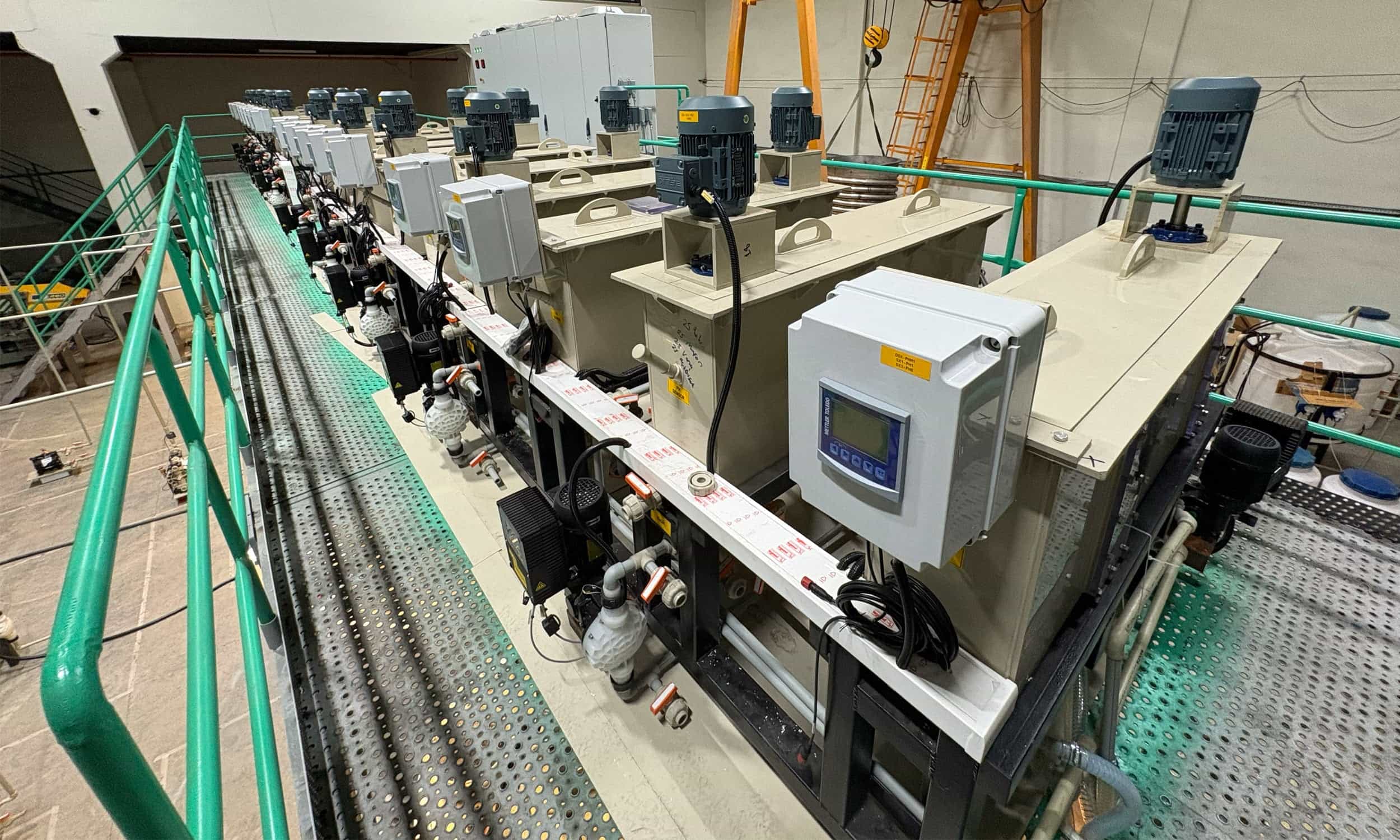
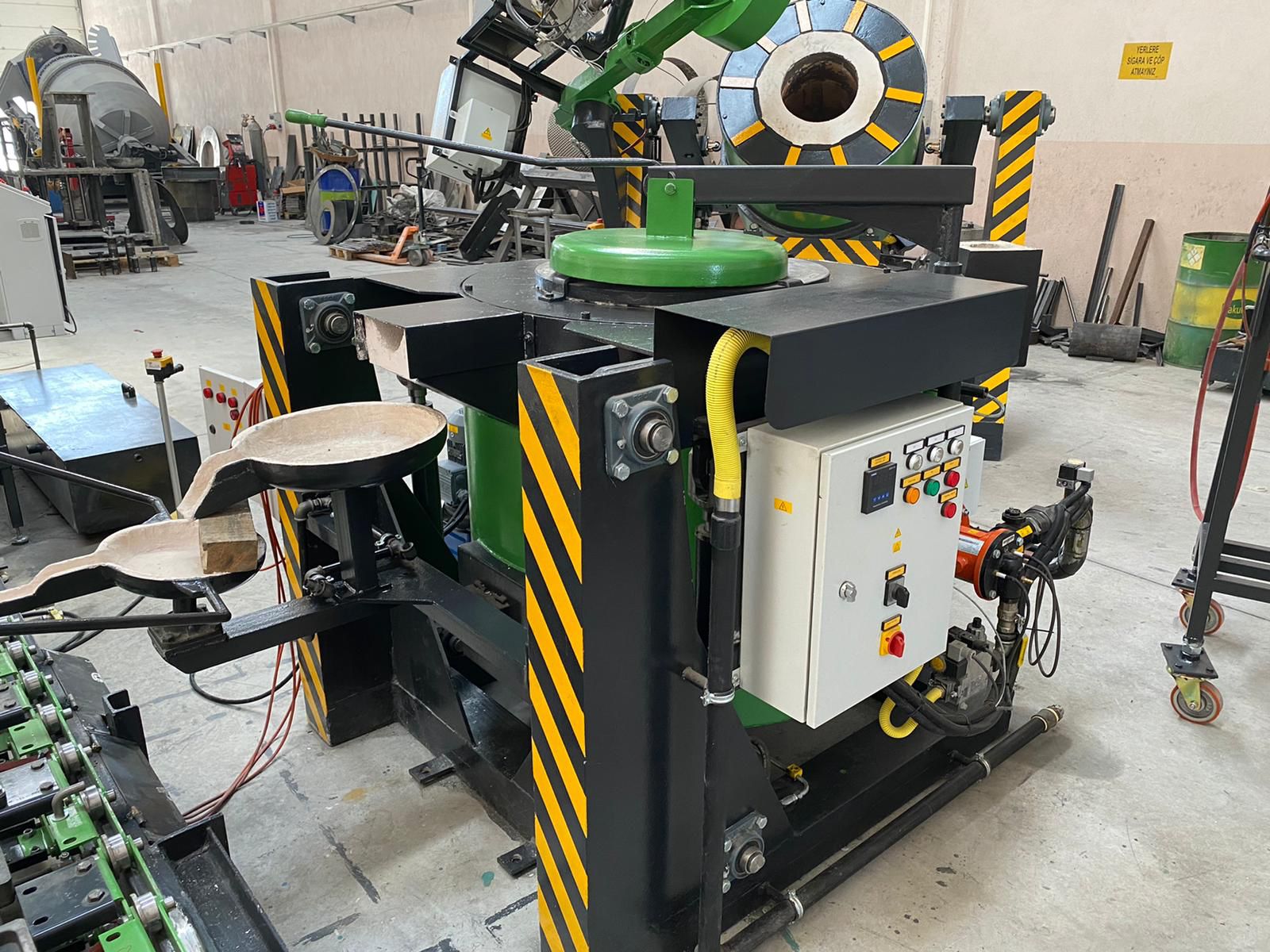
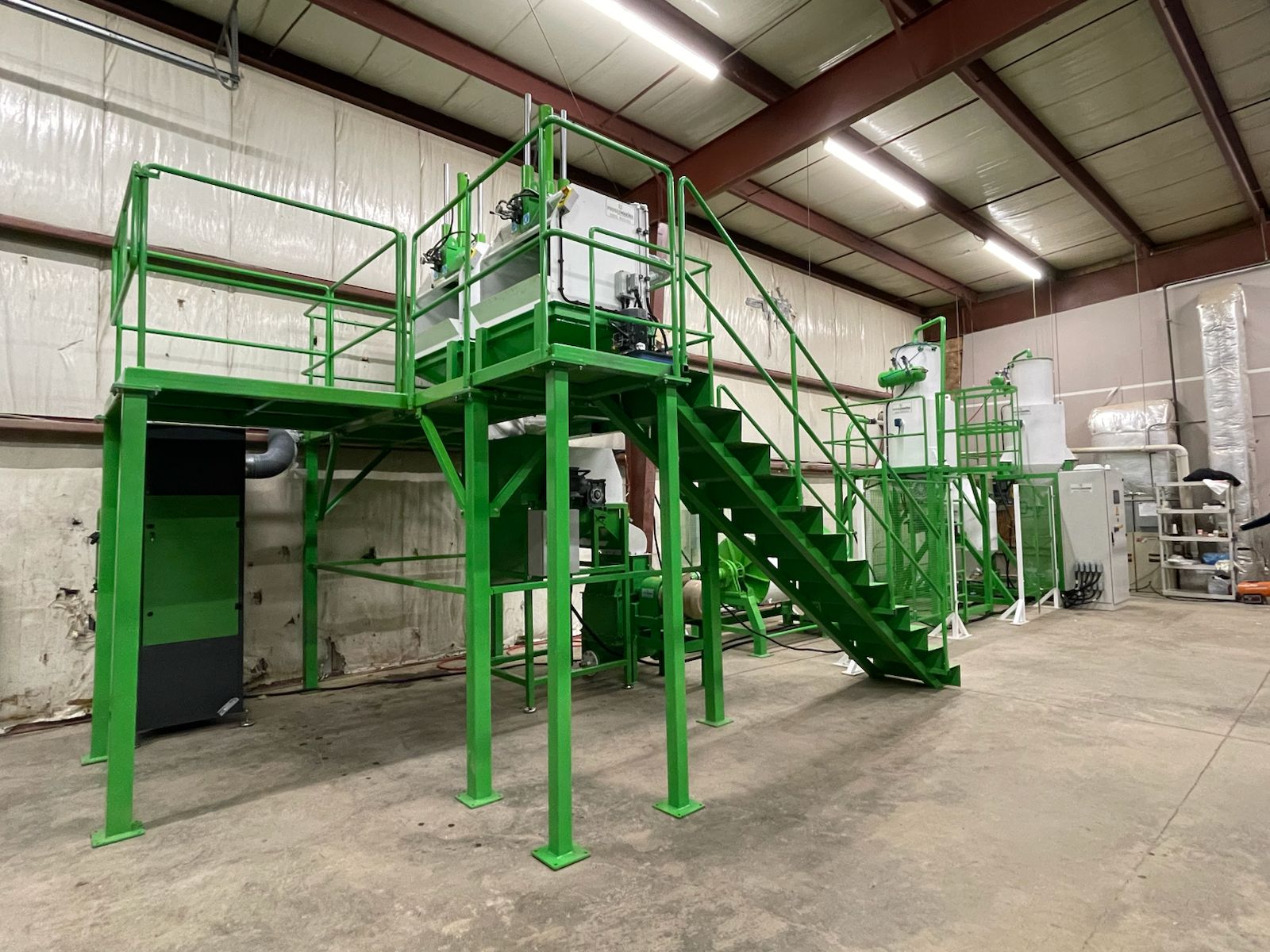
Within the scope of the project, the establishment of a pilot plant with a processing capacityof 10 tonnes of magnets per year is planned. This pilot line will enable the transition of laboratory-scale results to industrial conditions and support the advancement of thetechnology from TRL4 to TRL7.
As Proses Makina, we directly carry out the engineering design, equipment selection, processcontrol strategies and scale-up activities. Within the framework of project engineering, weaim to optimise the process flow, reduce energy and chemical consumption and establish a continuously operable system.
International Cooperation and Integration with theEuropean Ecosystem
NdCycle2 is implemented through a strong international consortium structure. Industrial andresearch institutions from different European countries, particularly Slovenia and Greece, actively participate in the project.
Project partners include:
• Magneti Ljubljana (Slovenia) – Industrial validation activities
• National Institute of Chemistry – NIC (Slovenia) – Process development andanalytical studies
• SE&C IKE (Greece) – Life Cycle Assessment (LCA) and dissemination activities
Through these collaborations, the developed technology is ensured to become sustainable not only technically, but also environmentally and economically.
One More Step Towards a Sustainable Future with Proses Makina
The NdCycle2 project represents not only a technical innovation in the field of rare earthrecovery, but also a strategic step towards Europe’s circular economy and critical rawmaterial security goals. As Proses Makina, we aim to develop sustainable engineeringsolutions, recover high value-added metals from secondary sources and make this technologyindustrially applicable.
Through the work carried out within the scope of the project, an environmentally low-impactand economically competitive recovery technology is being established while building a strong technology and engineering cooperation model extending from Türkiye to Europe.